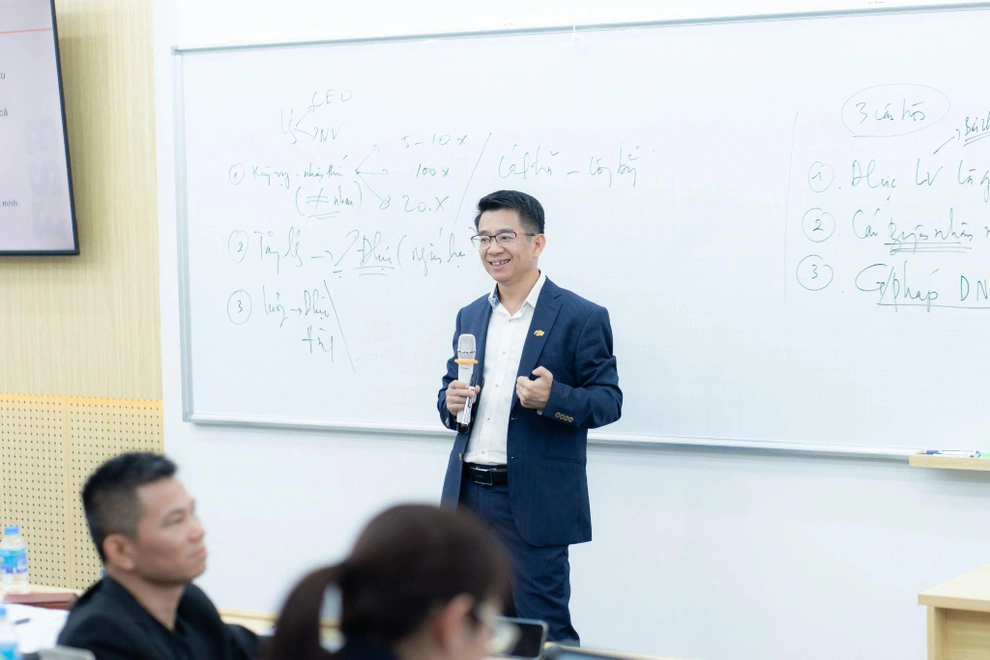
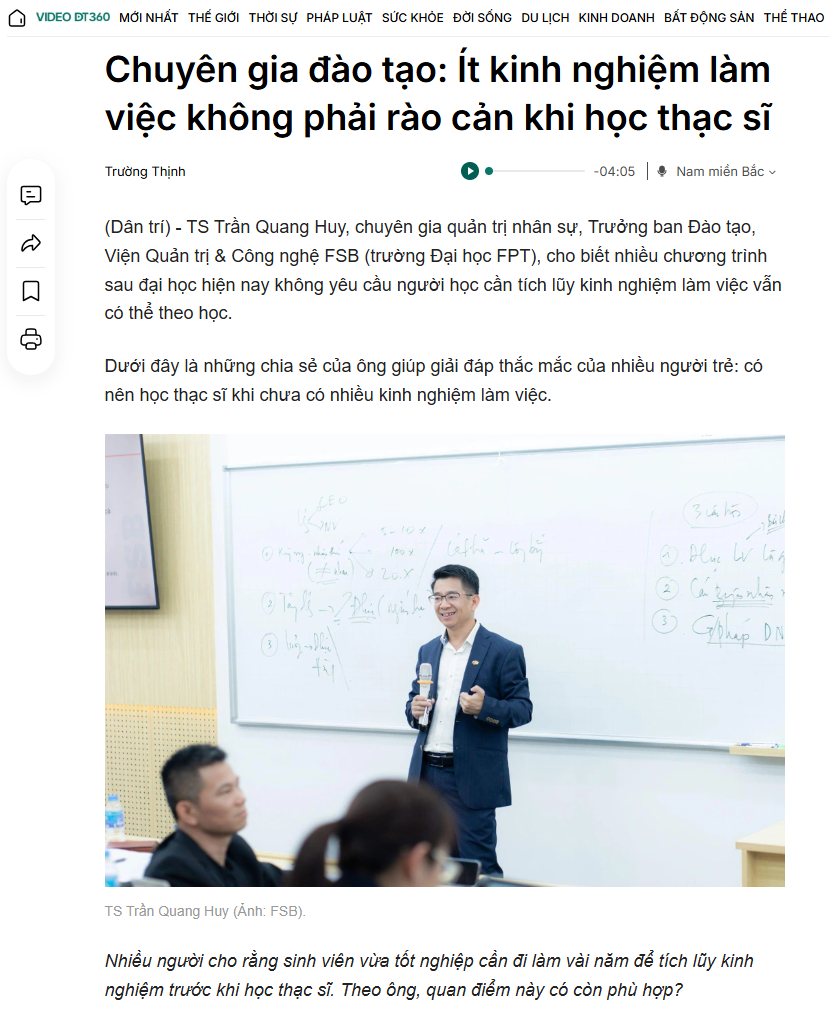
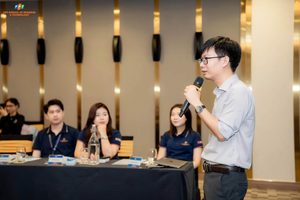
TS Trần Quang Huy, chuyên gia quản trị nhân sự, Trưởng ban Đào tạo, Viện Quản trị & Công nghệ FSB (trường Đại học FPT), cho biết nhiều chương trình sau đại học hiện nay không yêu cầu người học cần tích lũy kinh nghiệm làm việc vẫn có thể theo học.
Dưới đây là những chia sẻ của ông giúp giải đáp thắc mắc của nhiều người trẻ: có nên học thạc sĩ khi chưa có nhiều kinh nghiệm làm việc.
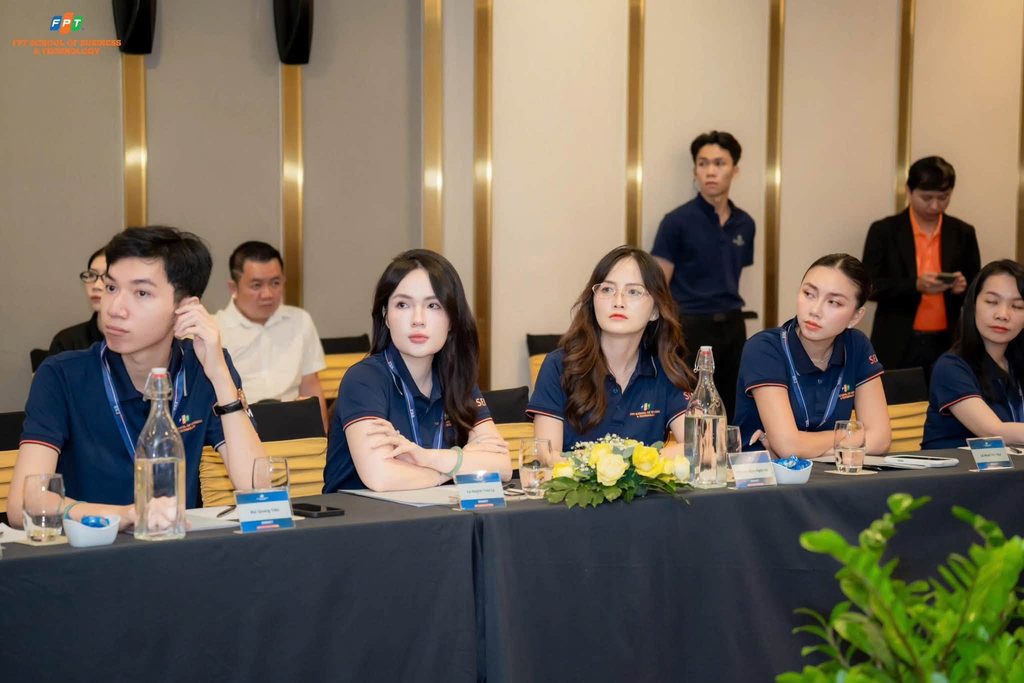
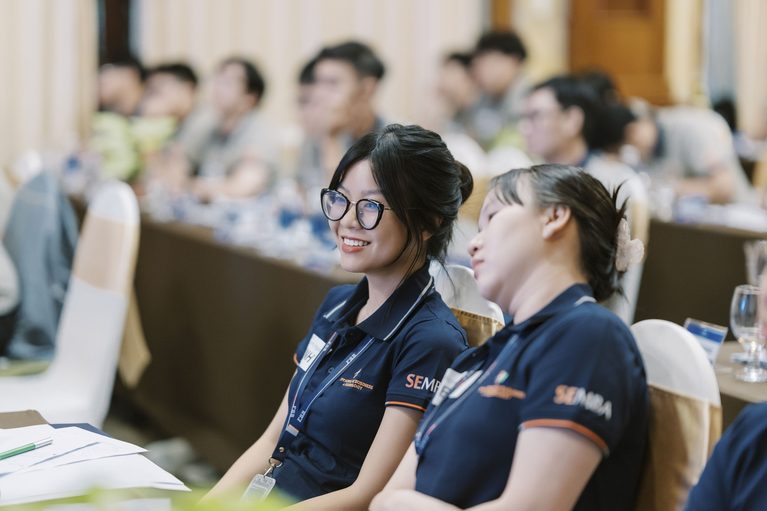
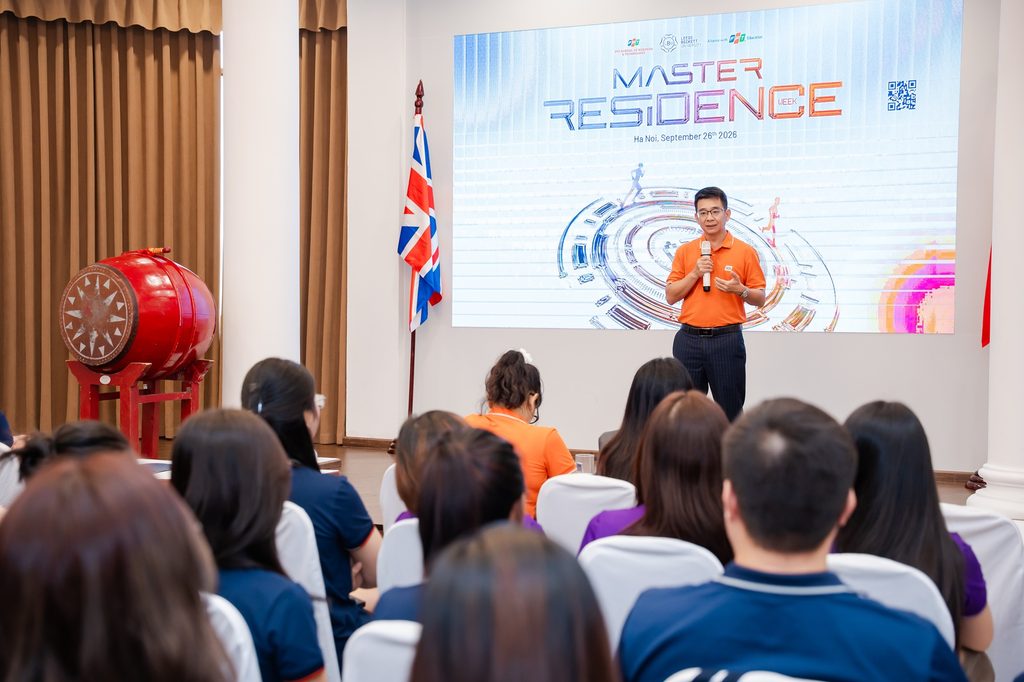
September marks the beginning of a new academic year and, for many business leaders, a new chapter of growth at FSB – The FPT School Of Business & Technology. Returning to the classroom, the new learners bring with them professional experience, real-world business challenges, and aspirations for their next step in personal and career development.
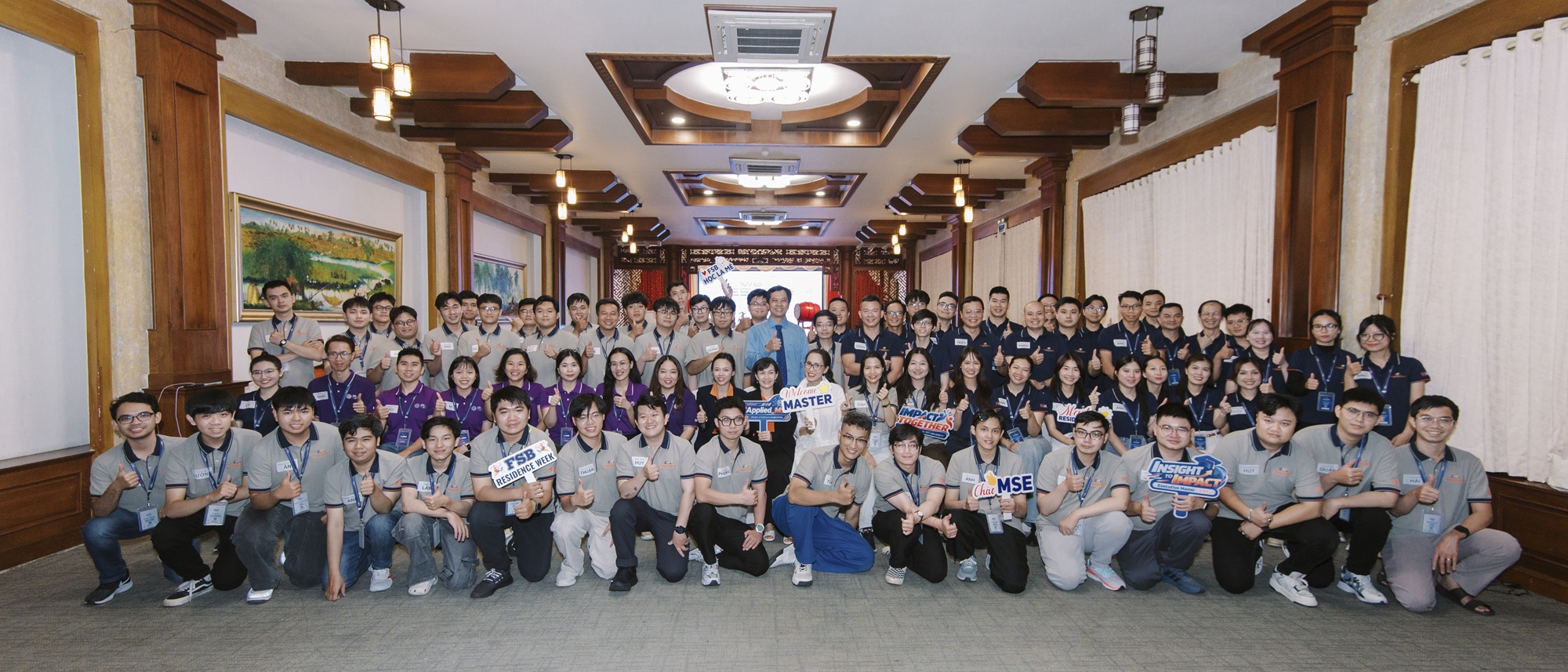
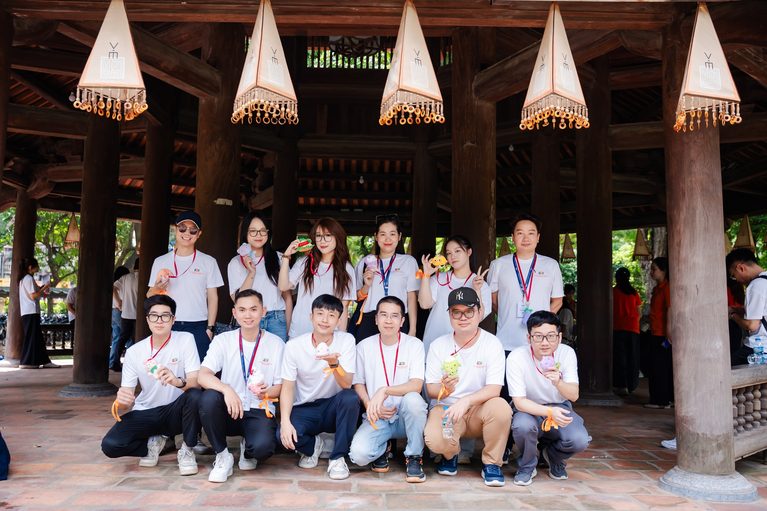
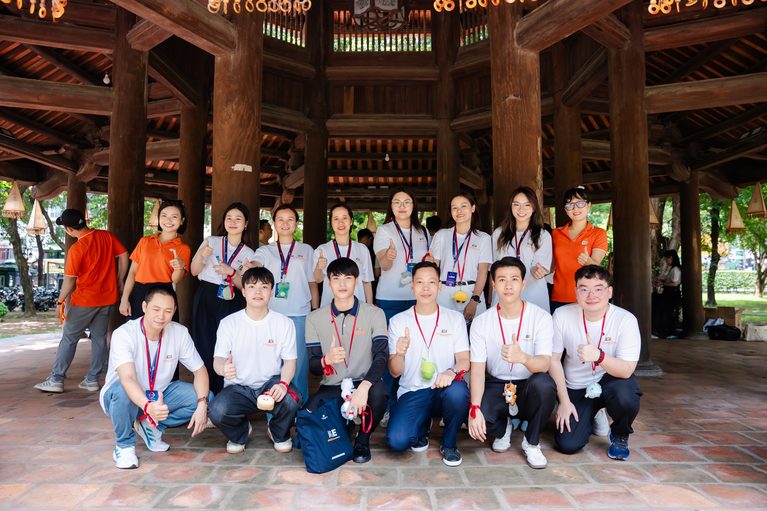
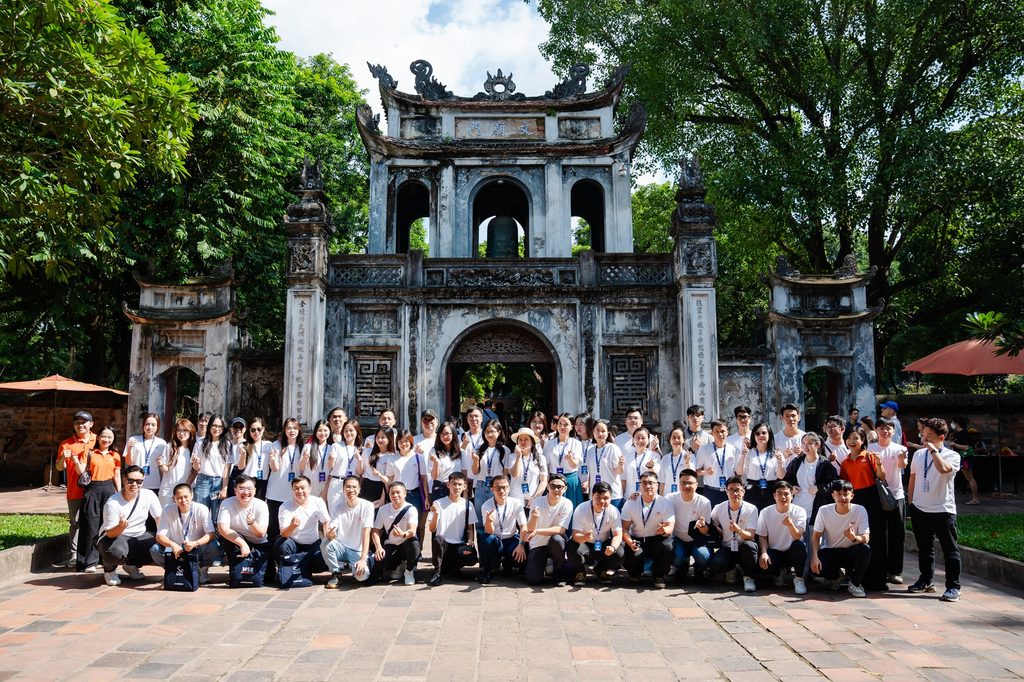
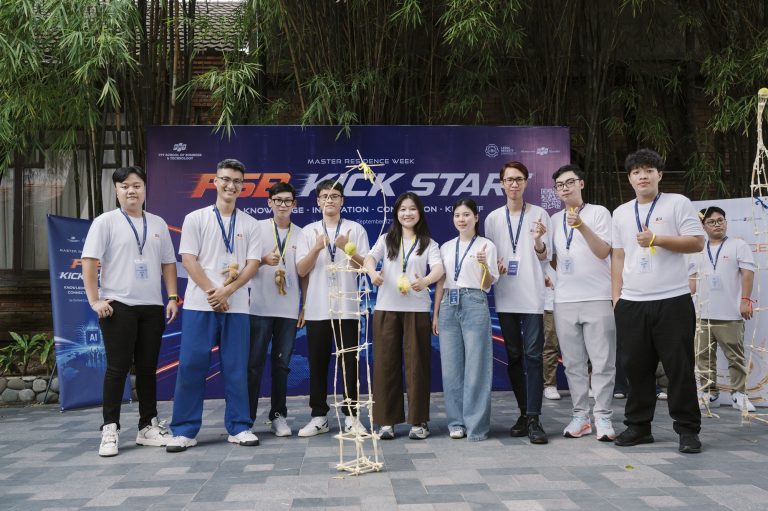
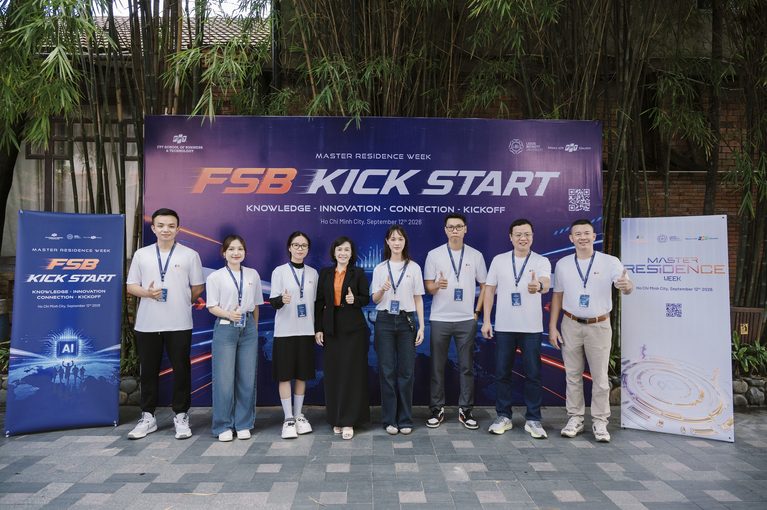
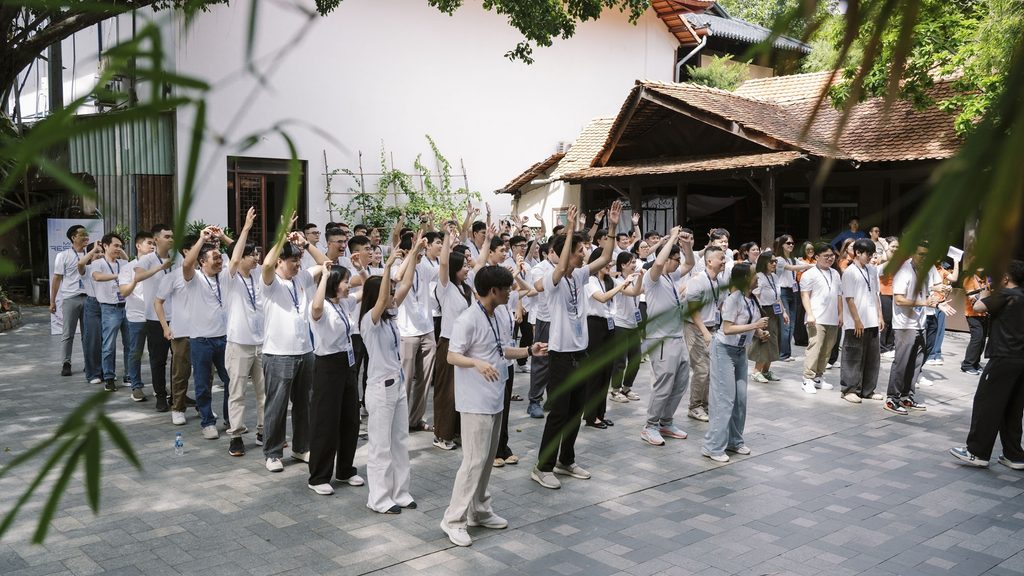
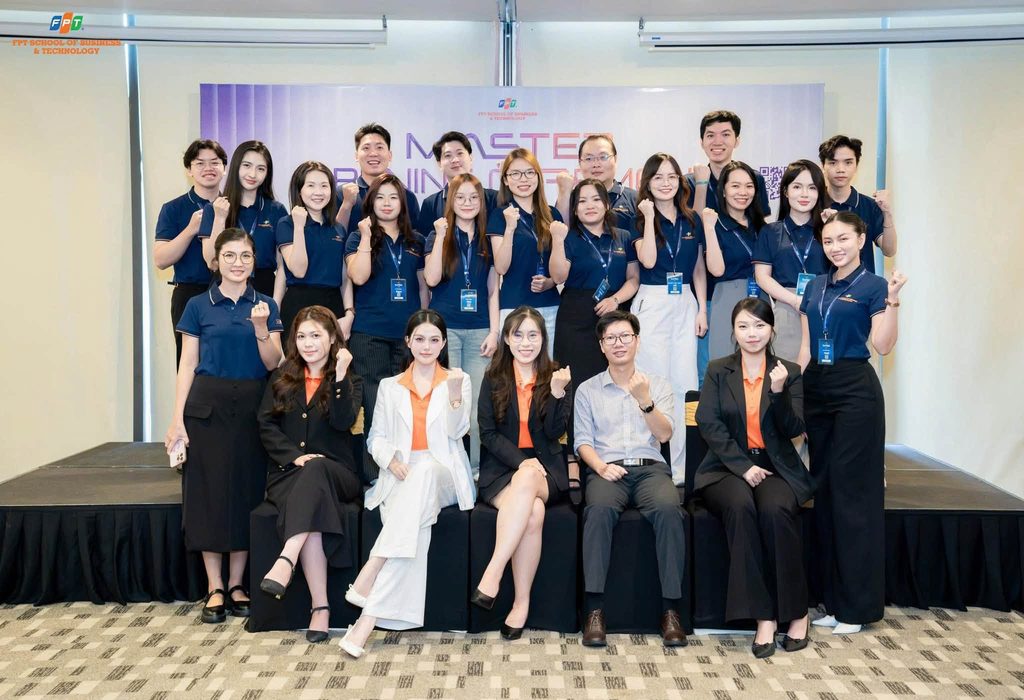
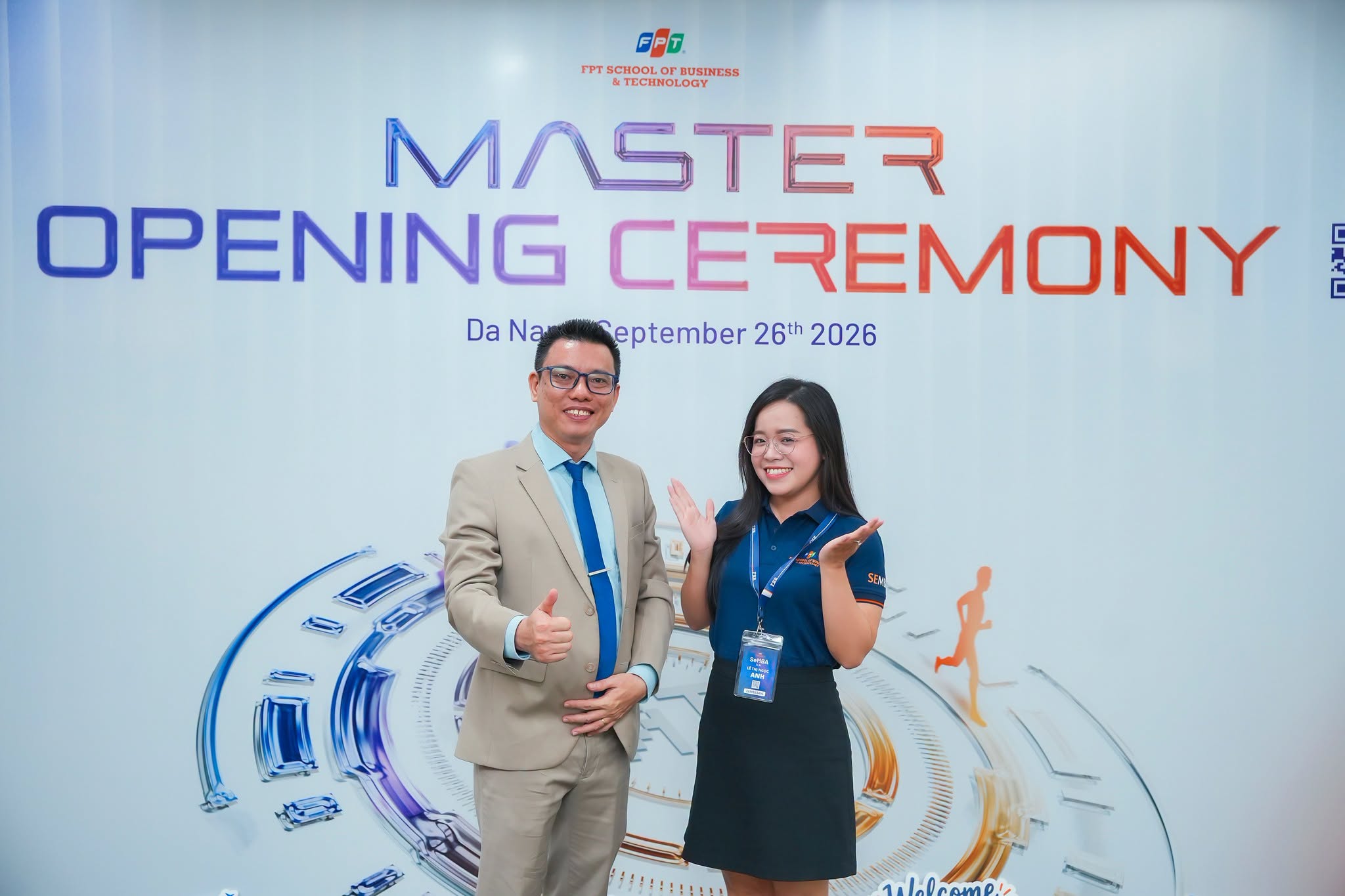
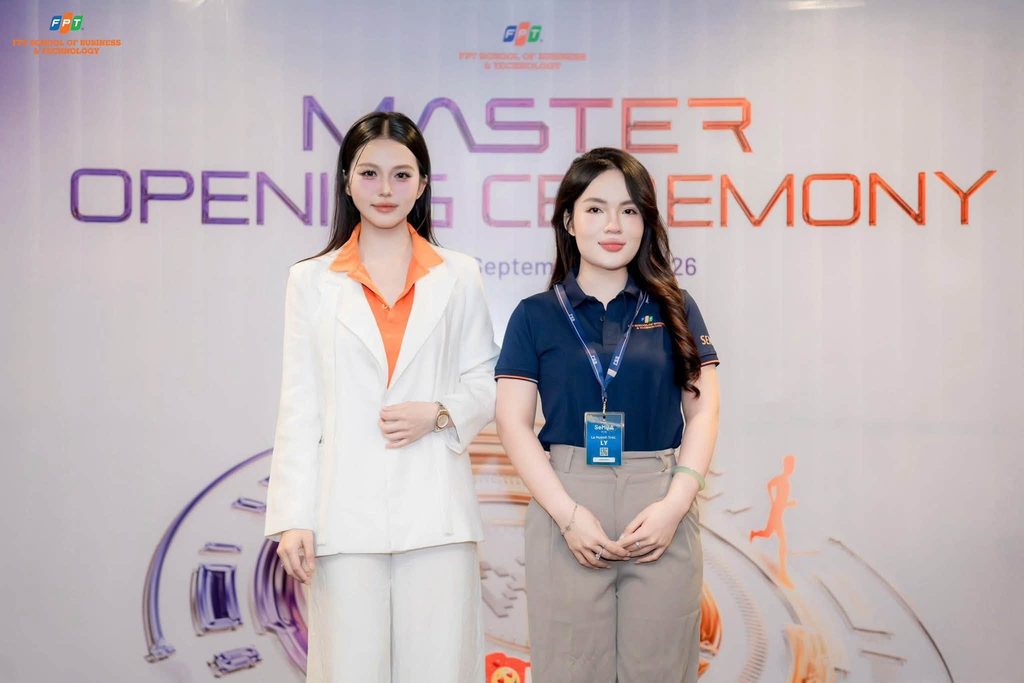
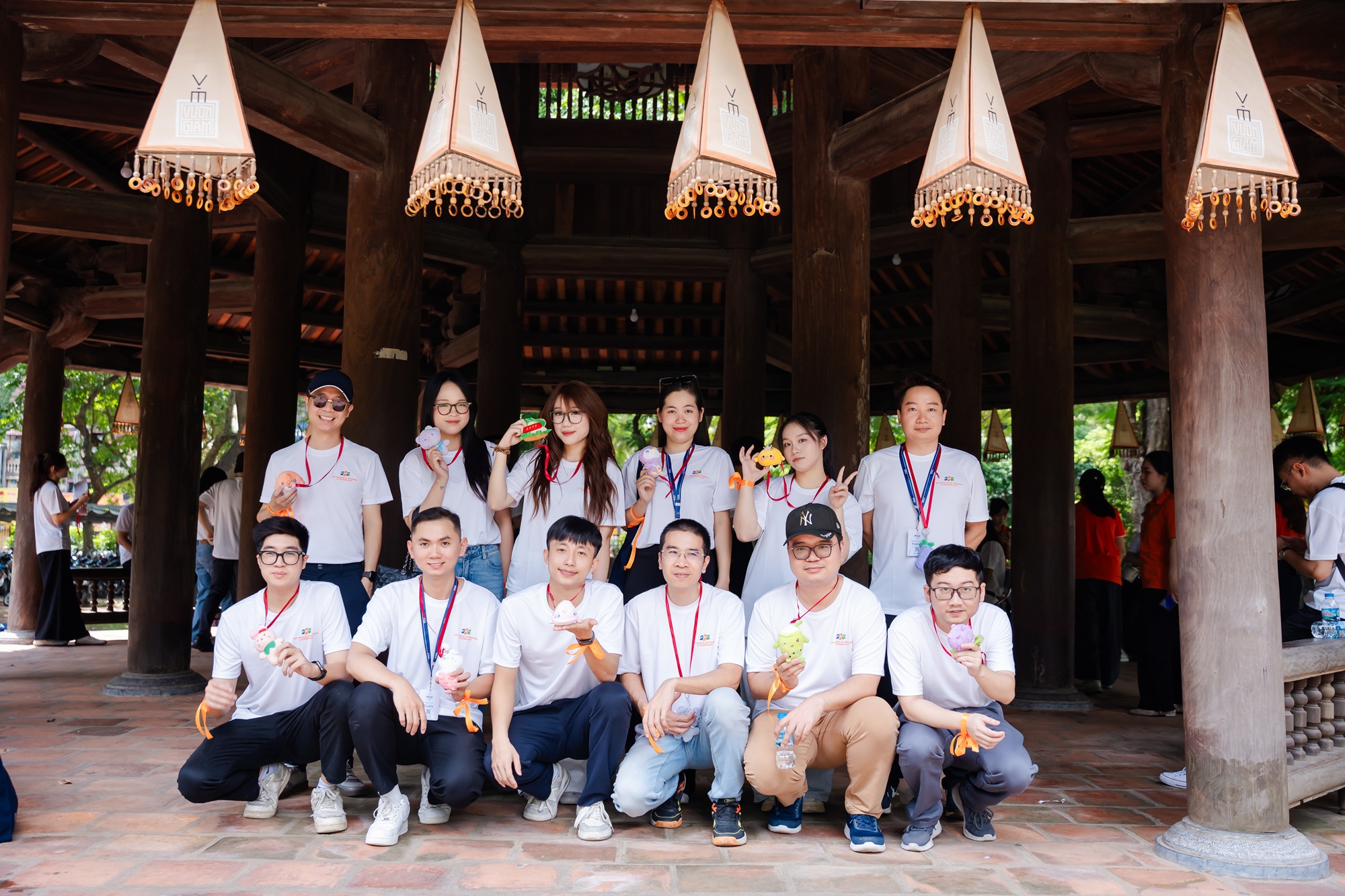
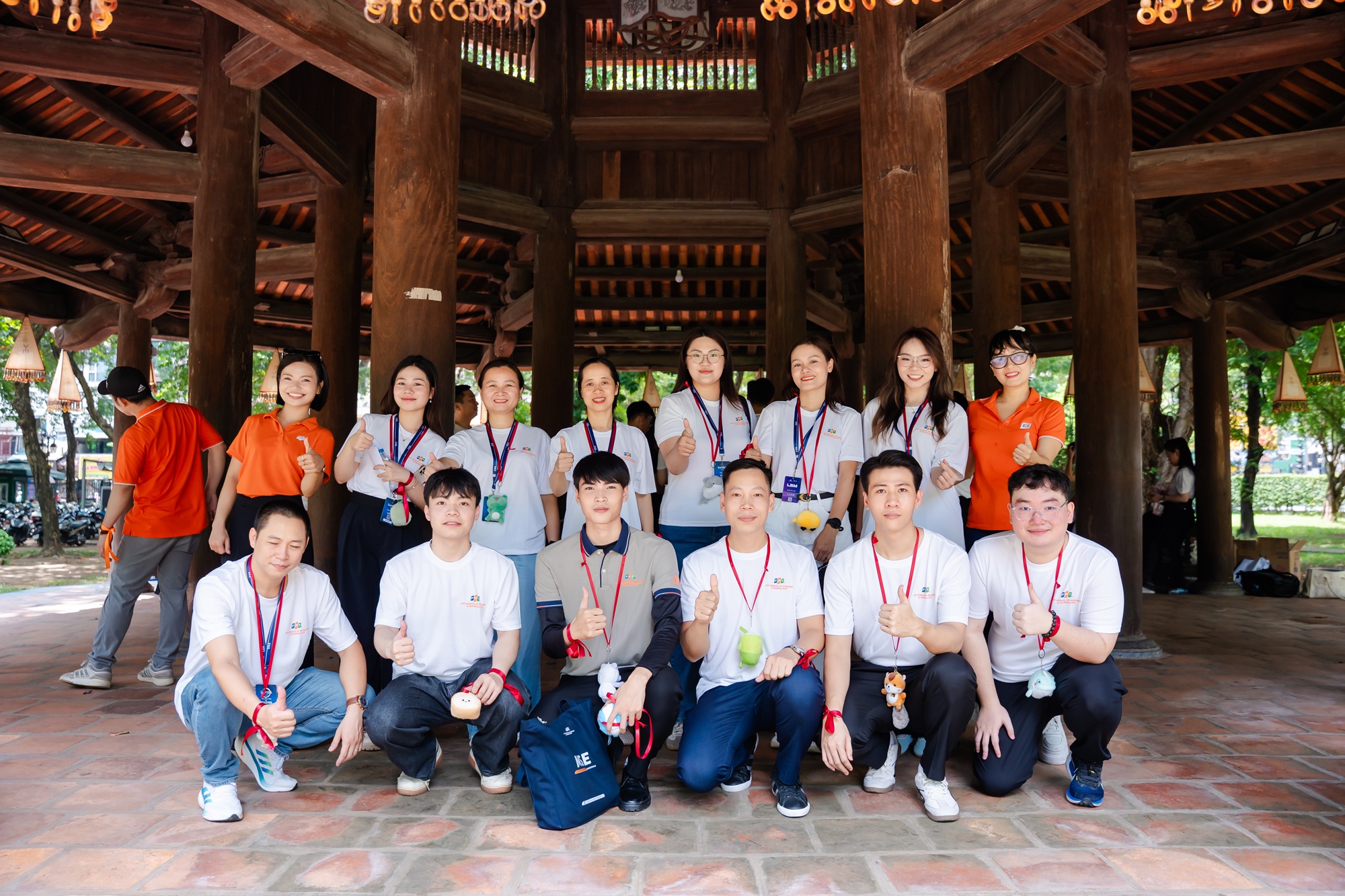
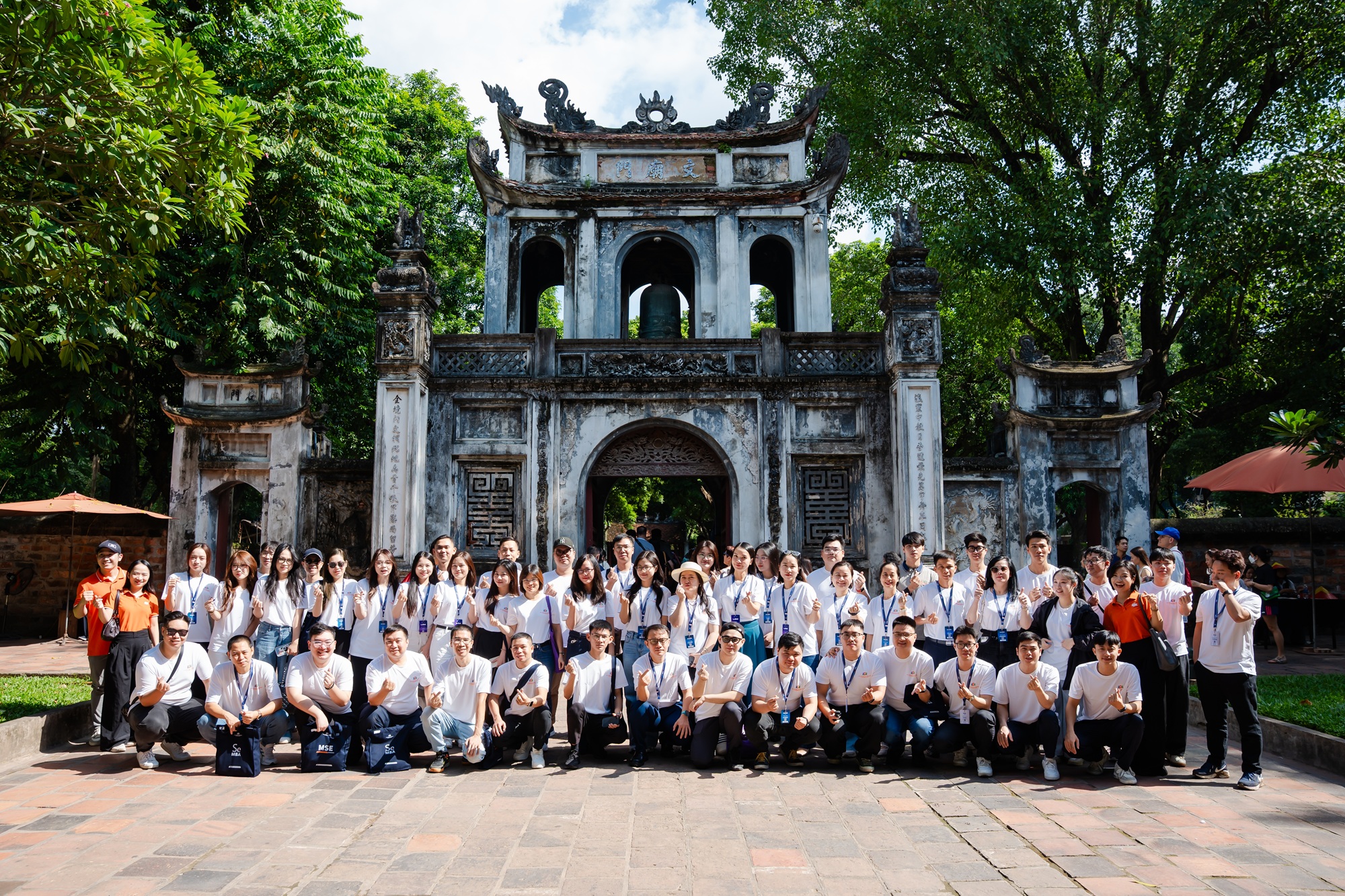
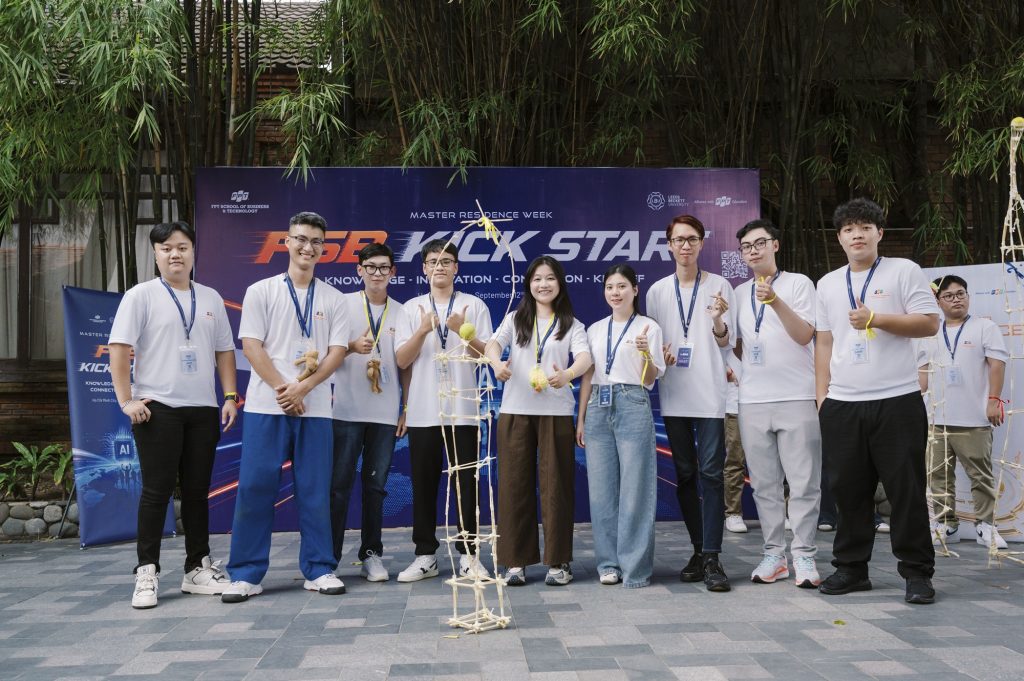
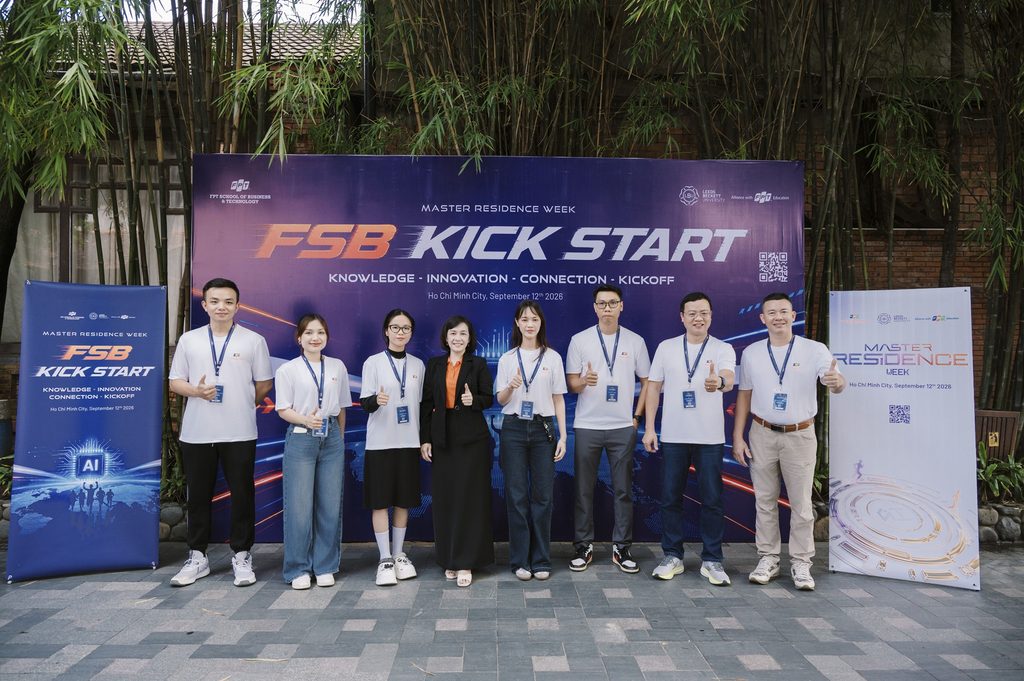
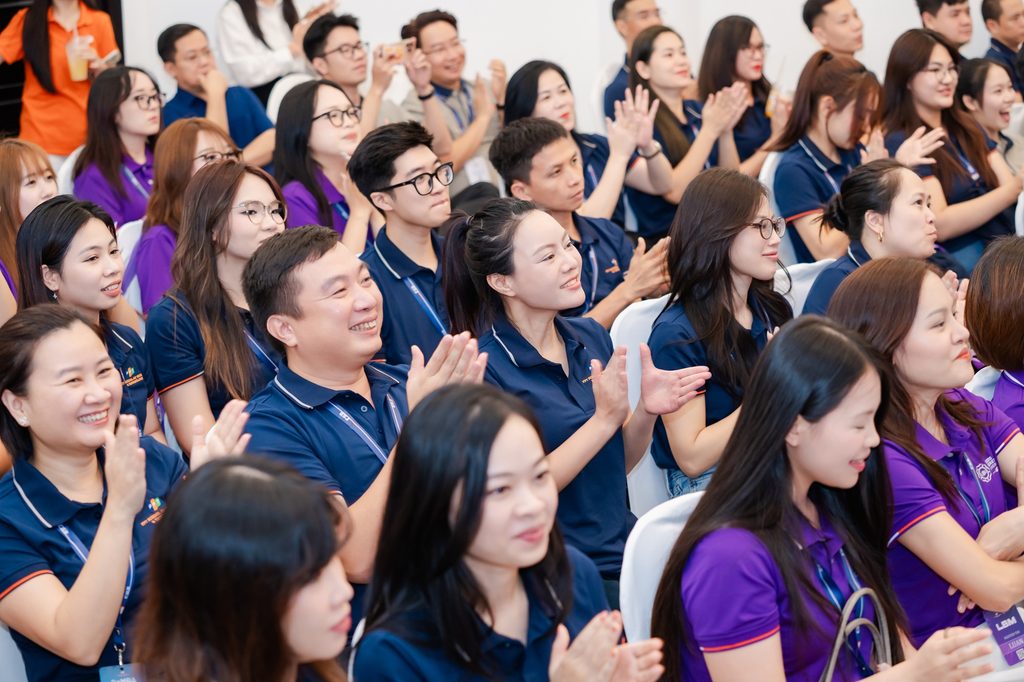
A group photo capturing the first memorable moments of a new academic year filled with expectations.
From this moment, a new academic year officially begins for the community of new learners enrolled in three programs: the Senior Executive MBA (SEMBA), the Master Of Software Engineering (MSE), and Leeds Beckett MBA (LBM), across all four FSB campuses in Hanoi, Da Nang, Ho Chi Minh City, and Can Tho.
When the new academic year takes on a different meaning
For FSB’s postgraduate learners, returning to education is a deliberate choice made after gaining professional experience, tackling real-world challenges, and recognizing that today’s capabilities must continually evolve to meet the demands of tomorrow.
Master Residence Week is therefore more than an opening ceremony. It marks the starting point for each learner to reflect on their current capabilities, identify areas for further development, and set new goals for their professional journey.
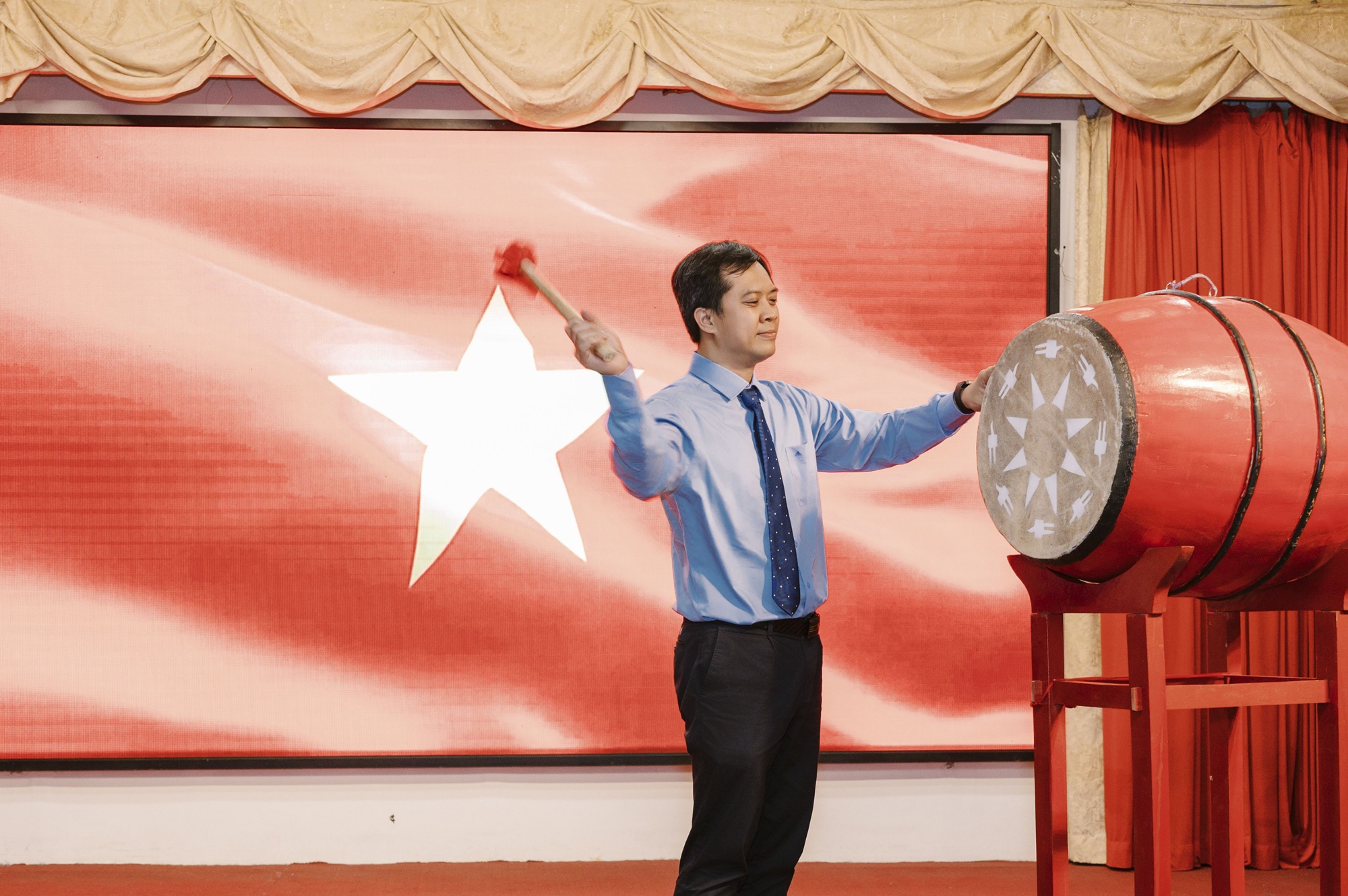
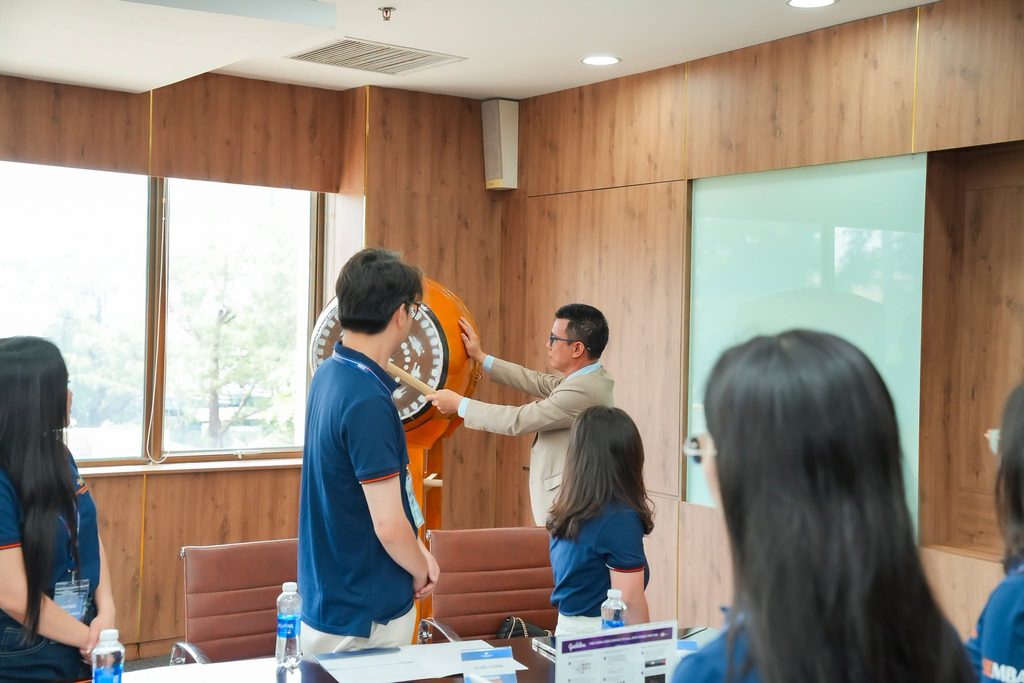
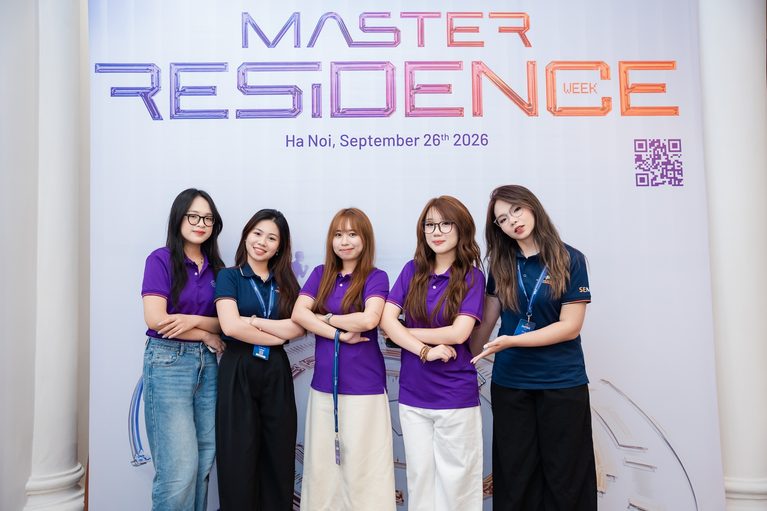
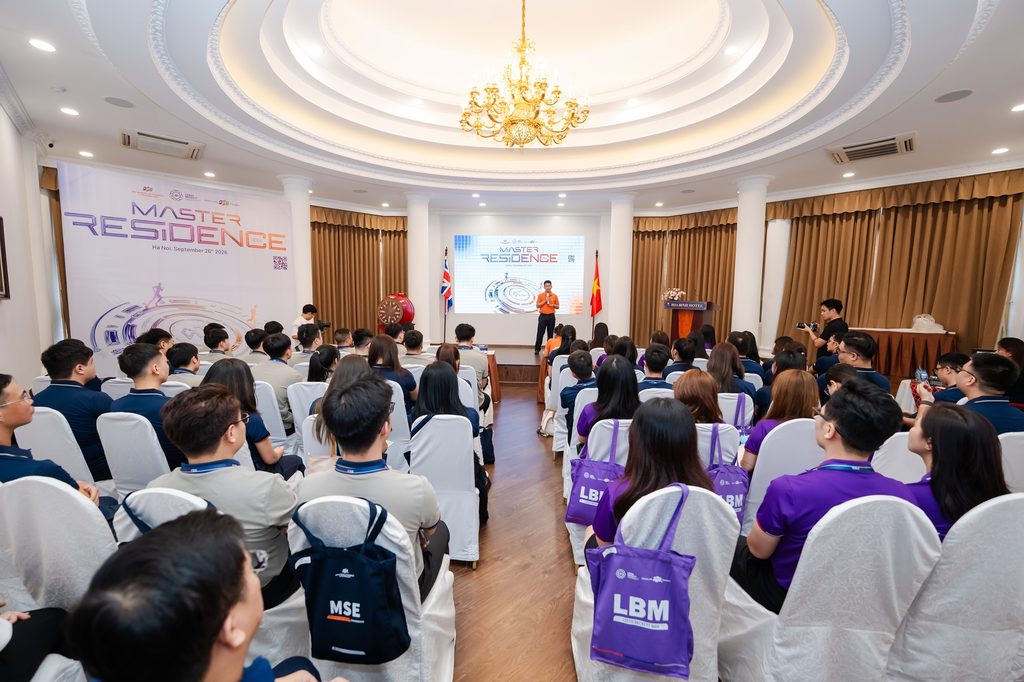
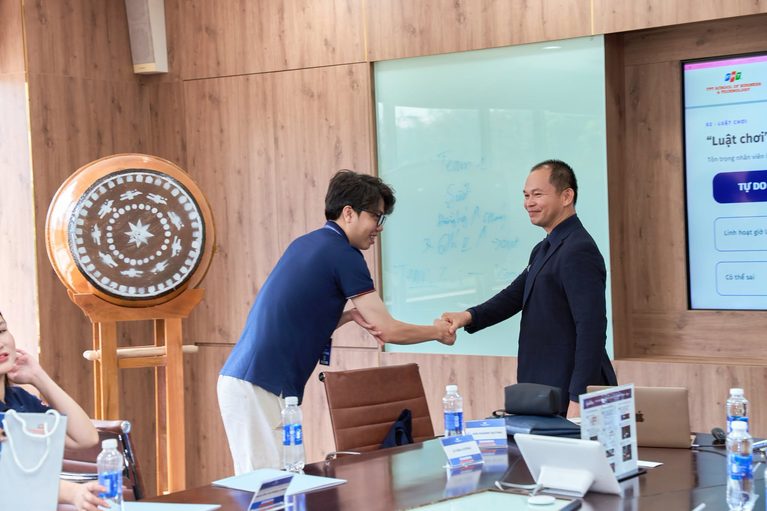
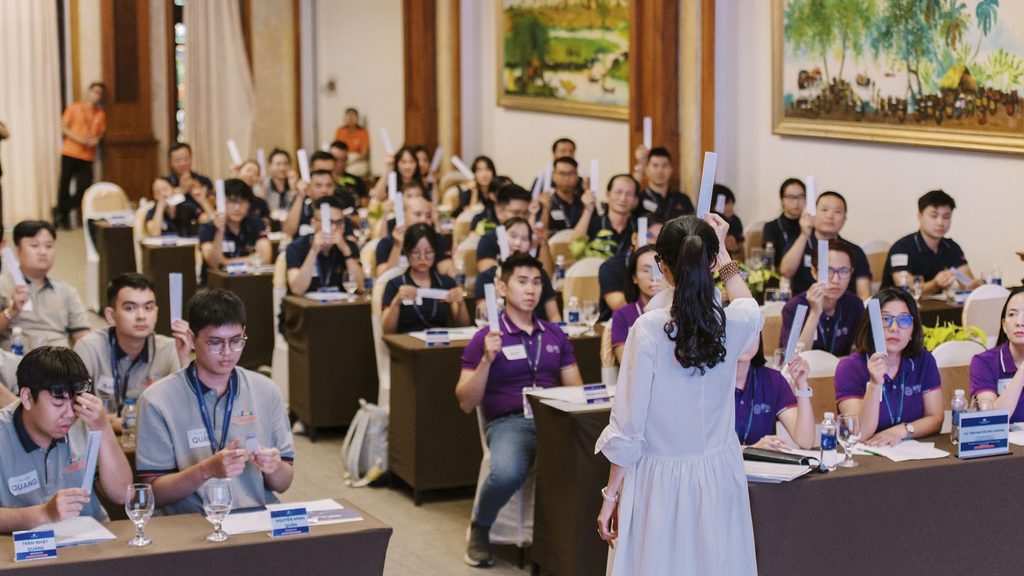
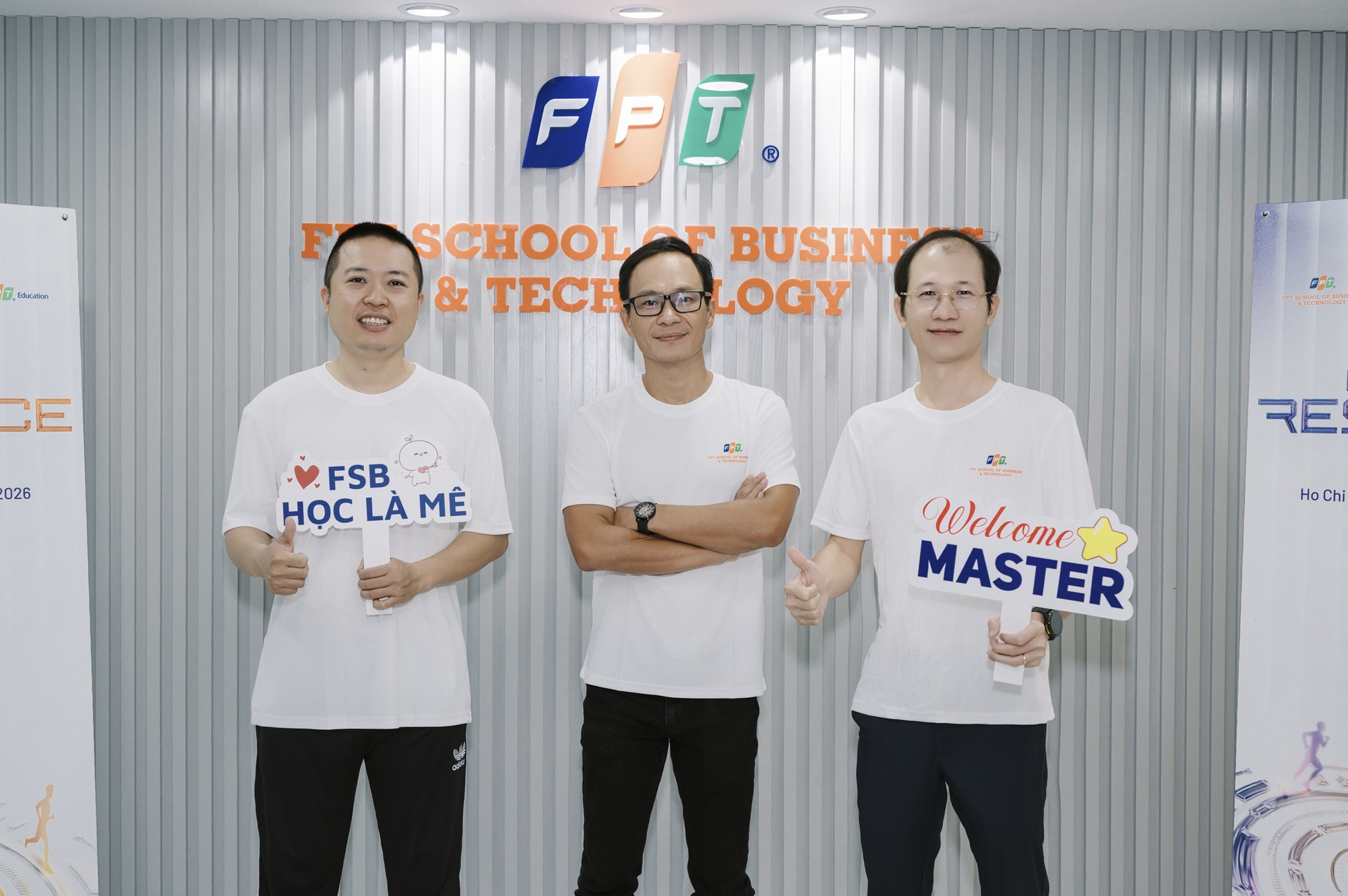
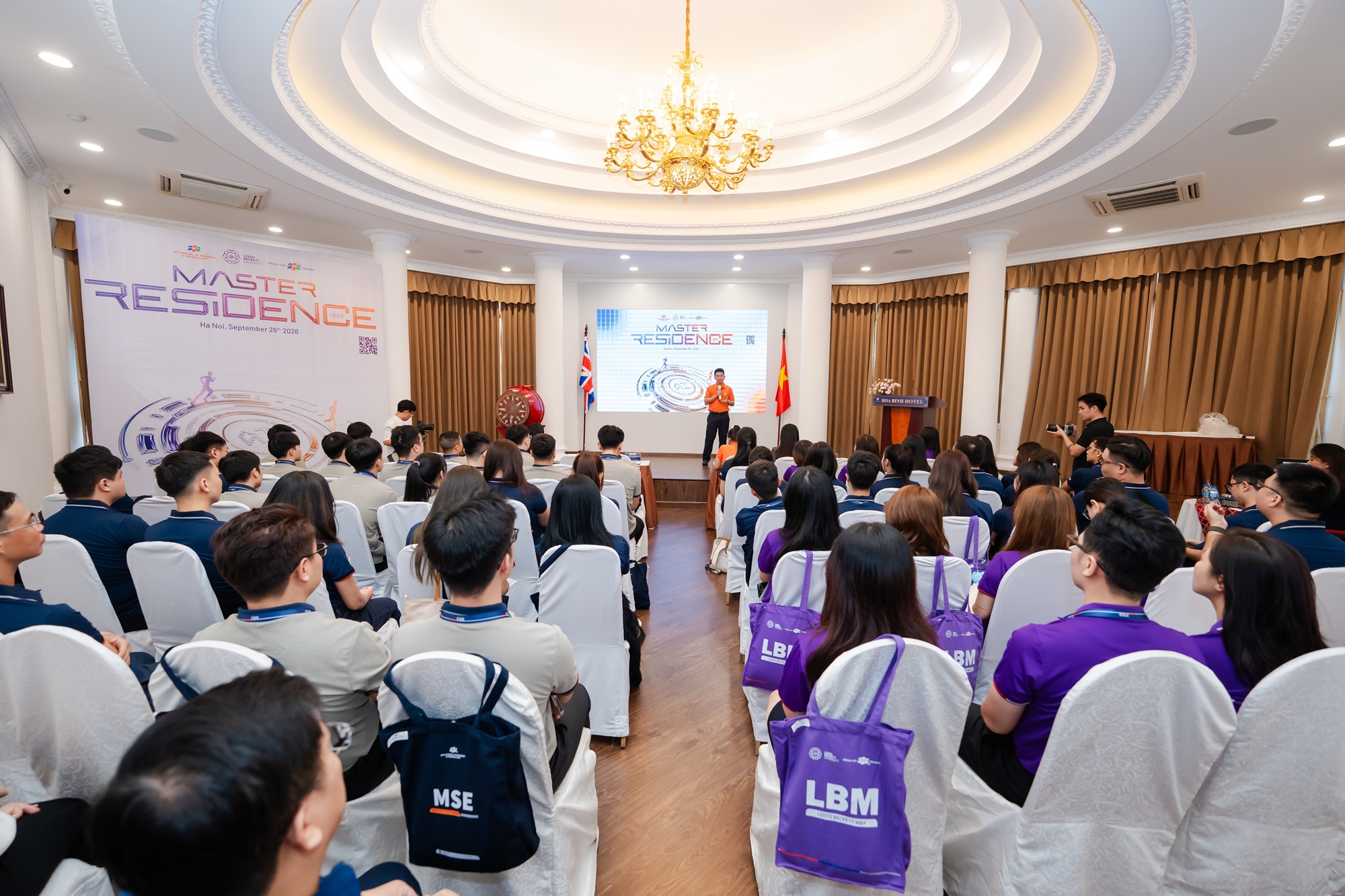
A formal ceremony marks the beginning of a new chapter of learning at FSB.
Starting the academic year with an active mindset
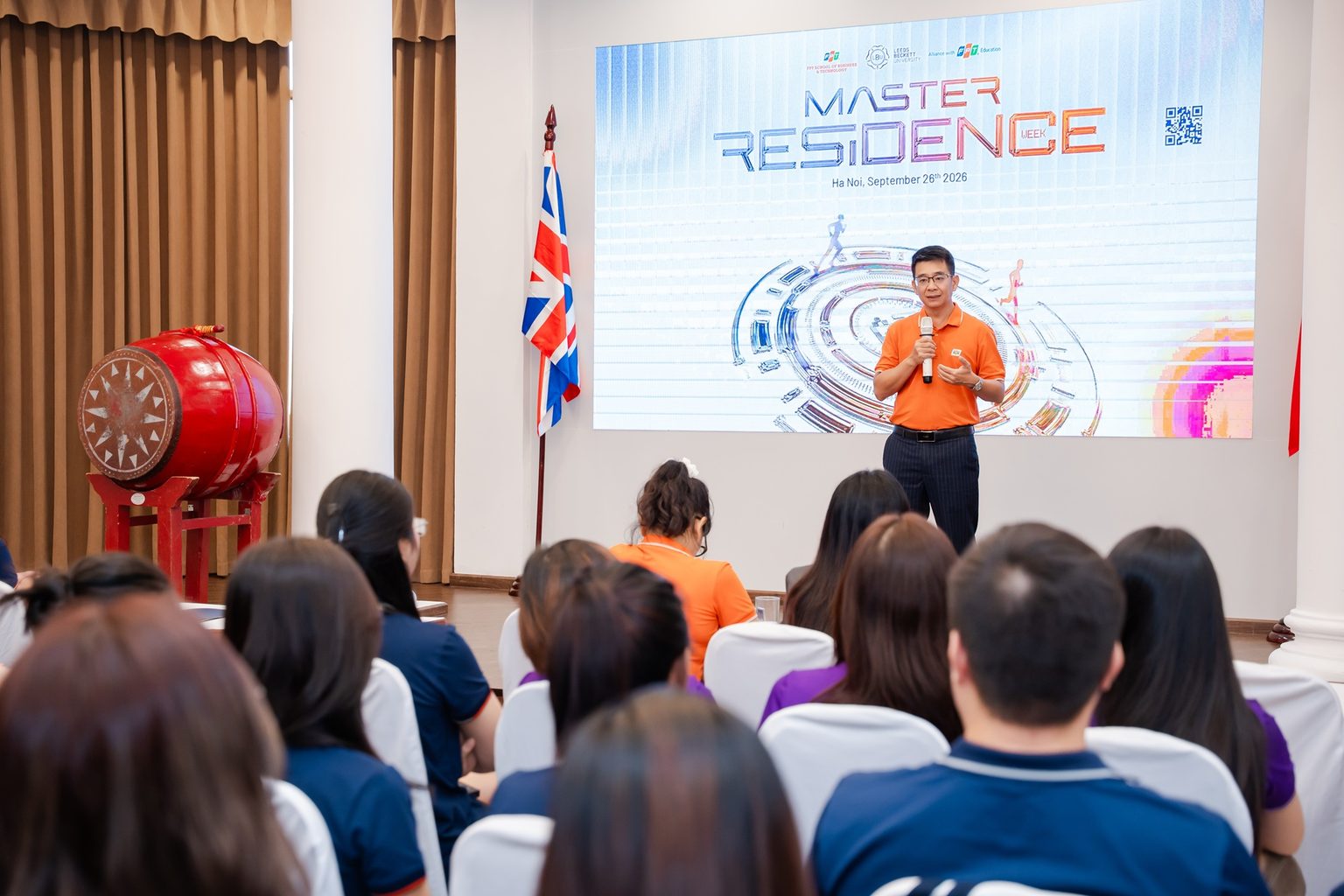
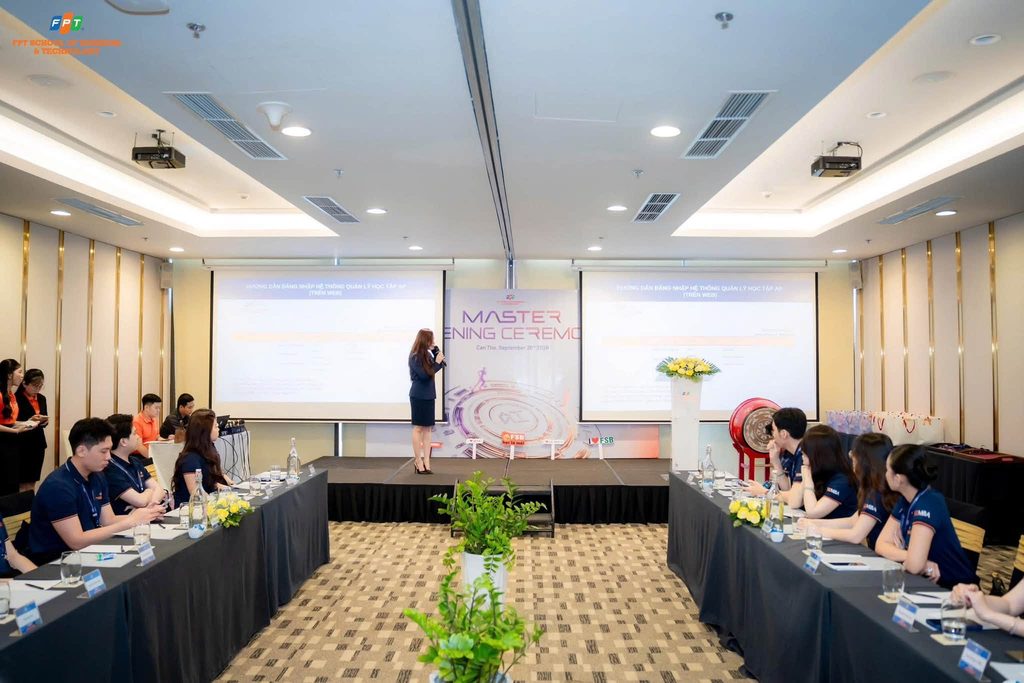
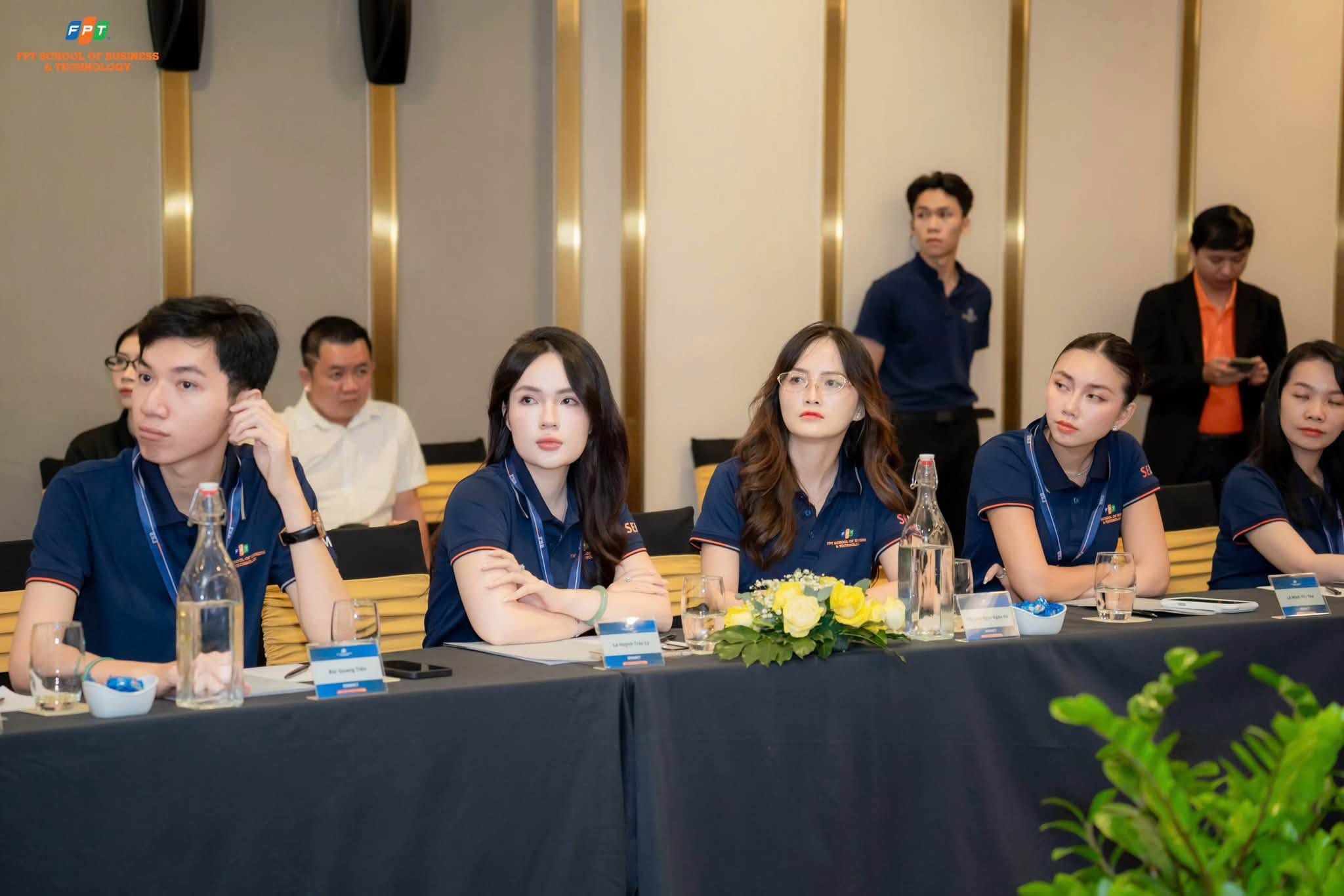
Across FSB campuses, opening ceremonies, orientation sessions, and community-building activities created a distinctive atmosphere for a new academic year designed for working professionals and business leaders.
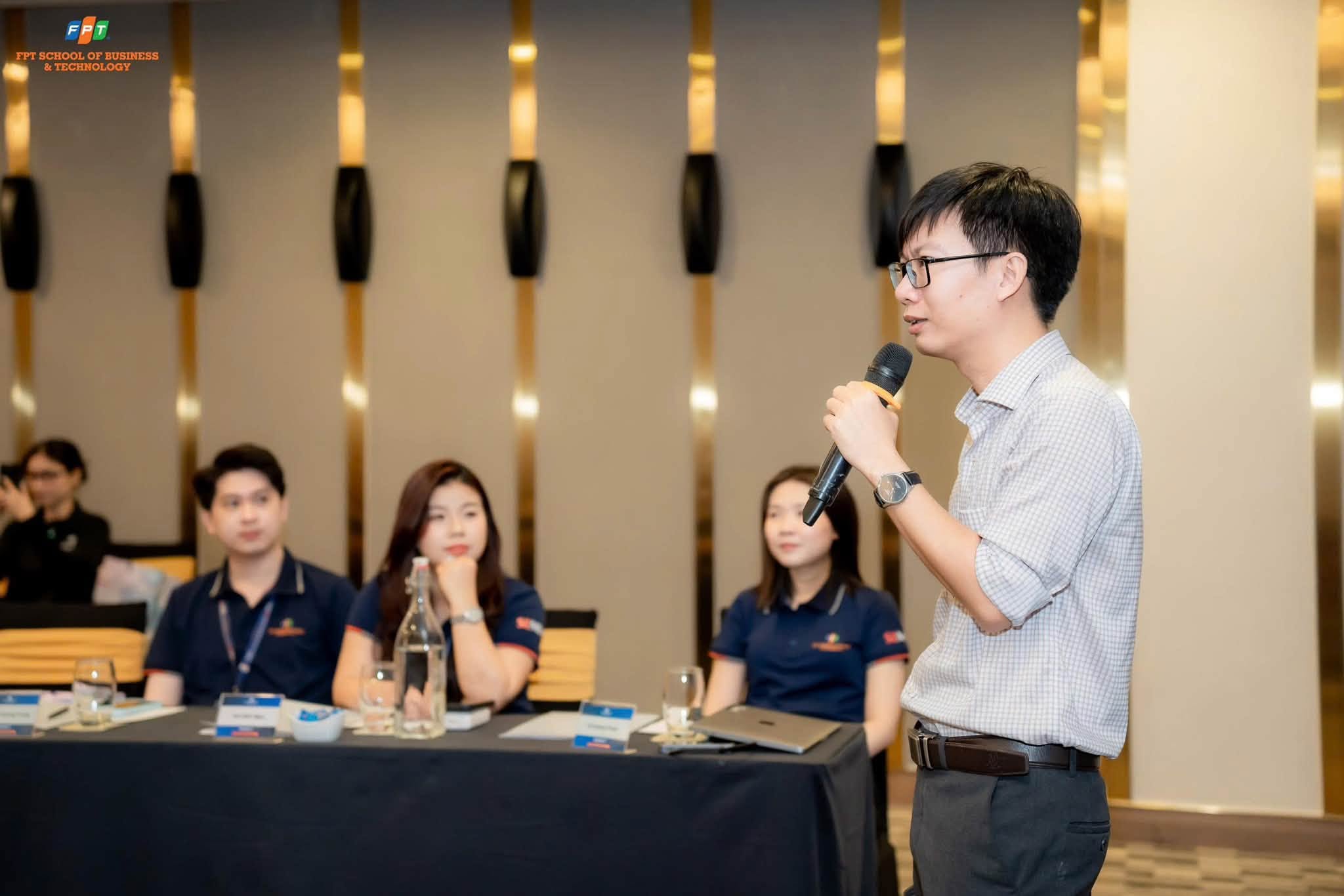
The welcoming messages from FSB’s leadership, faculty, and staff not only marked the beginning of a new academic year but also conveyed a shared spirit: learning in the age of AI goes beyond acquiring knowledge. It requires learners to actively ask questions, experiment, apply what they learn, and transform knowledge into the ability to solve real-world problems.
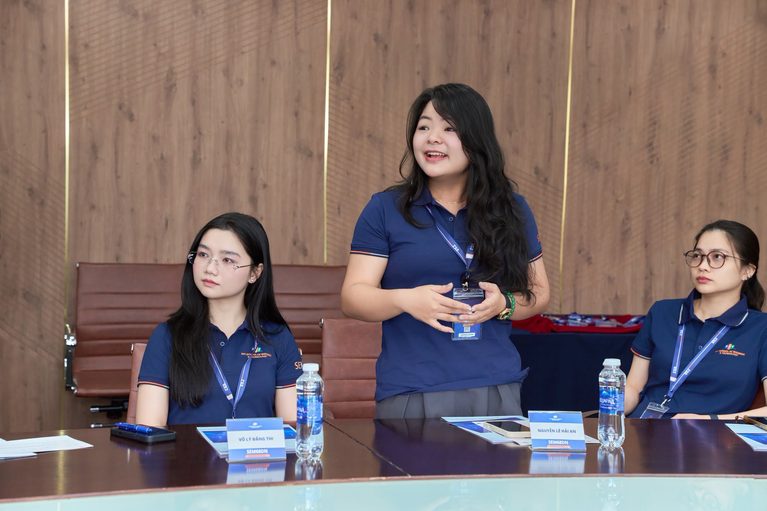
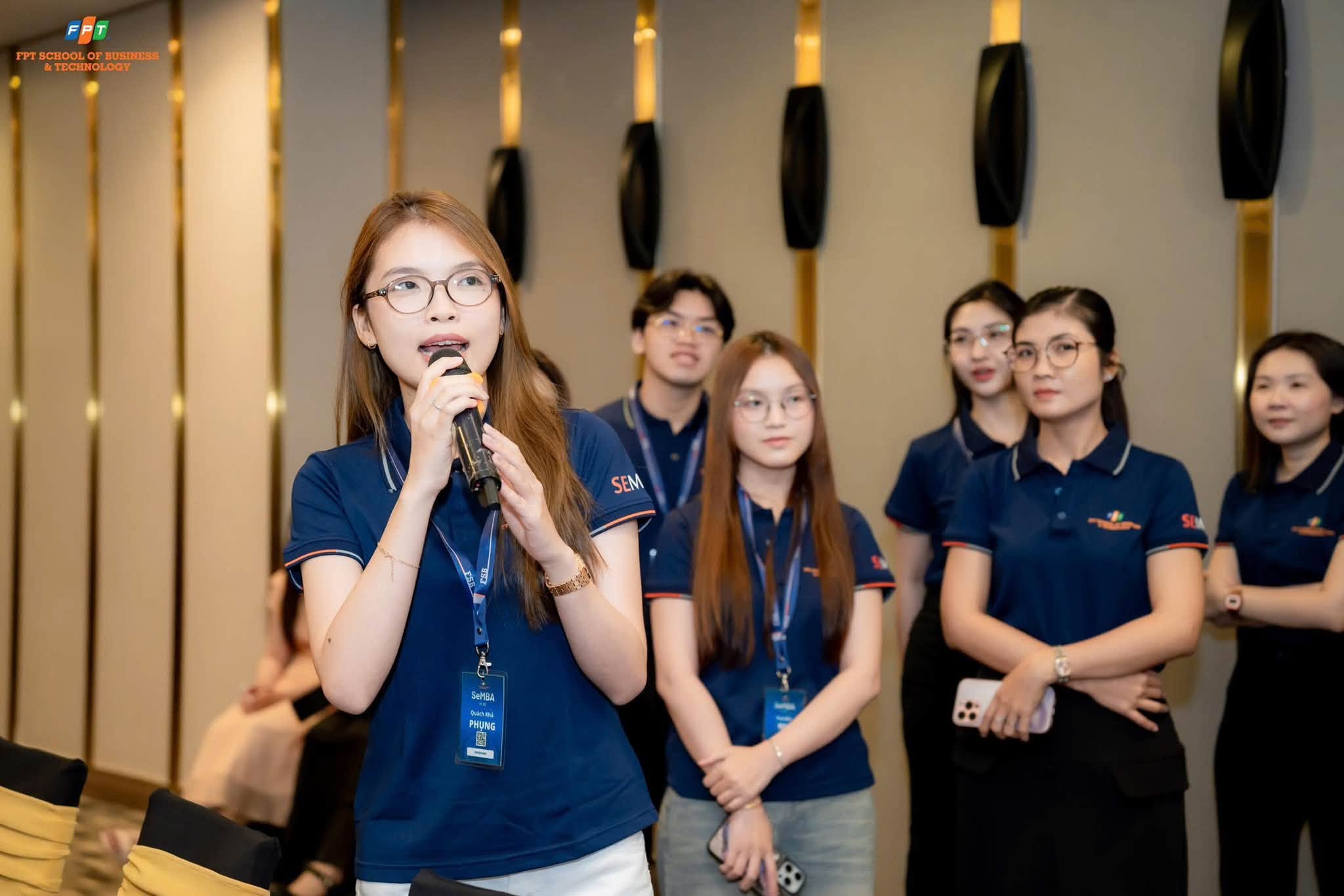
From opening activities to networking sessions, workshops, and community gatherings, learners had opportunities to meet like-minded peers, exchange perspectives, and share the challenges they are currently facing in their work and organizations.
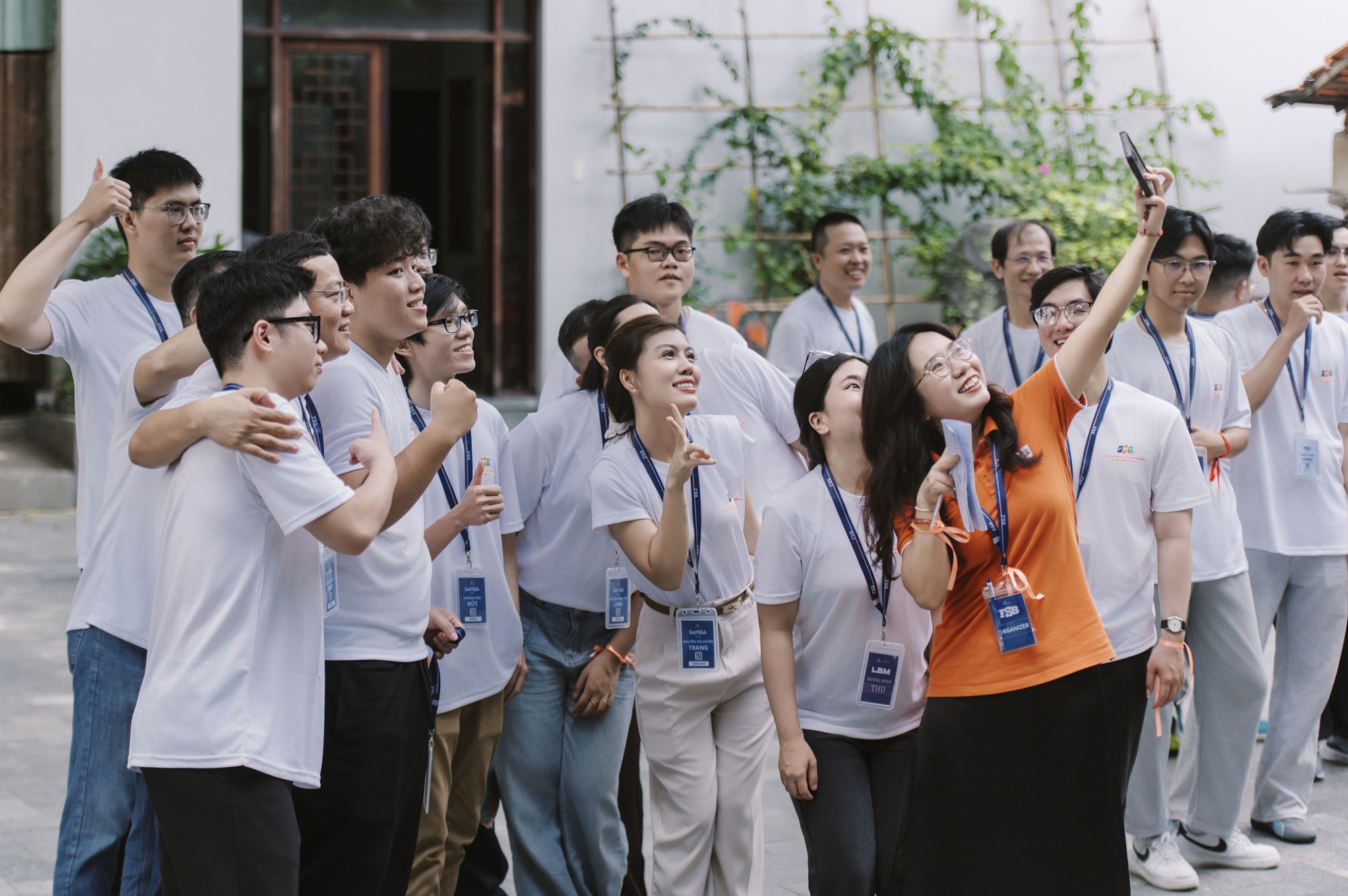
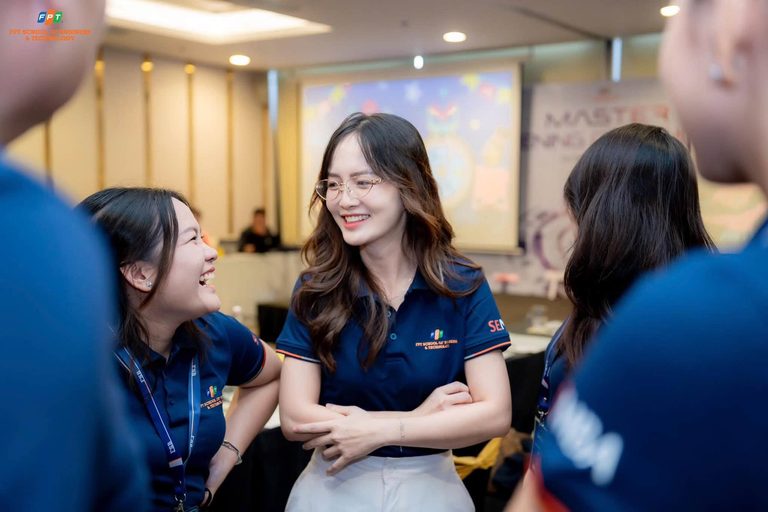
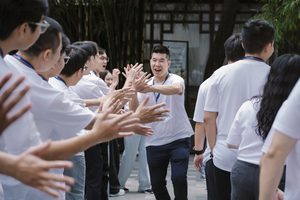
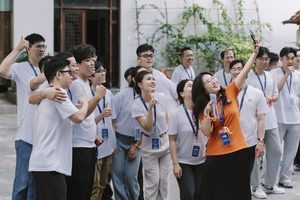
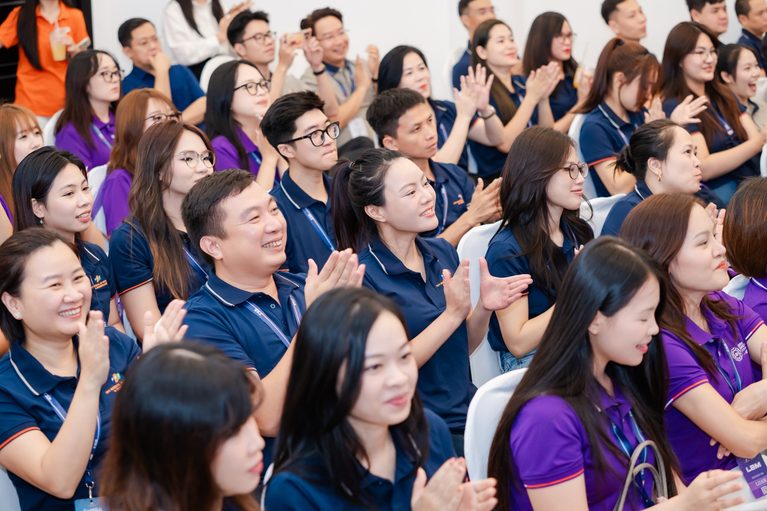
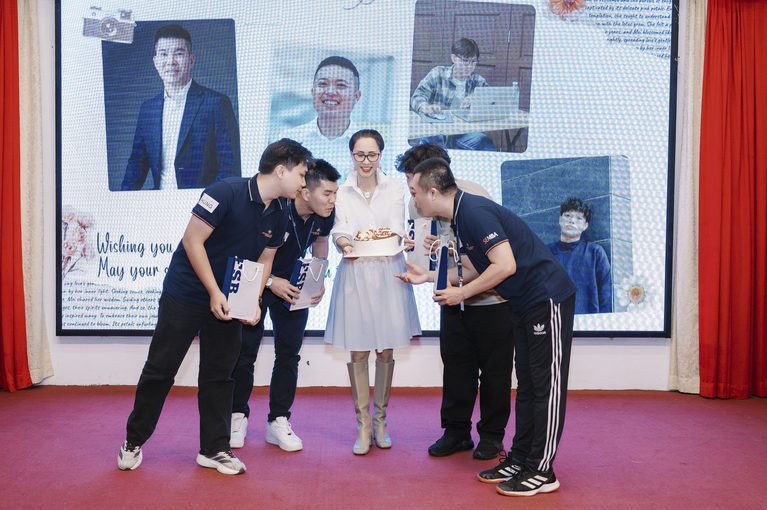
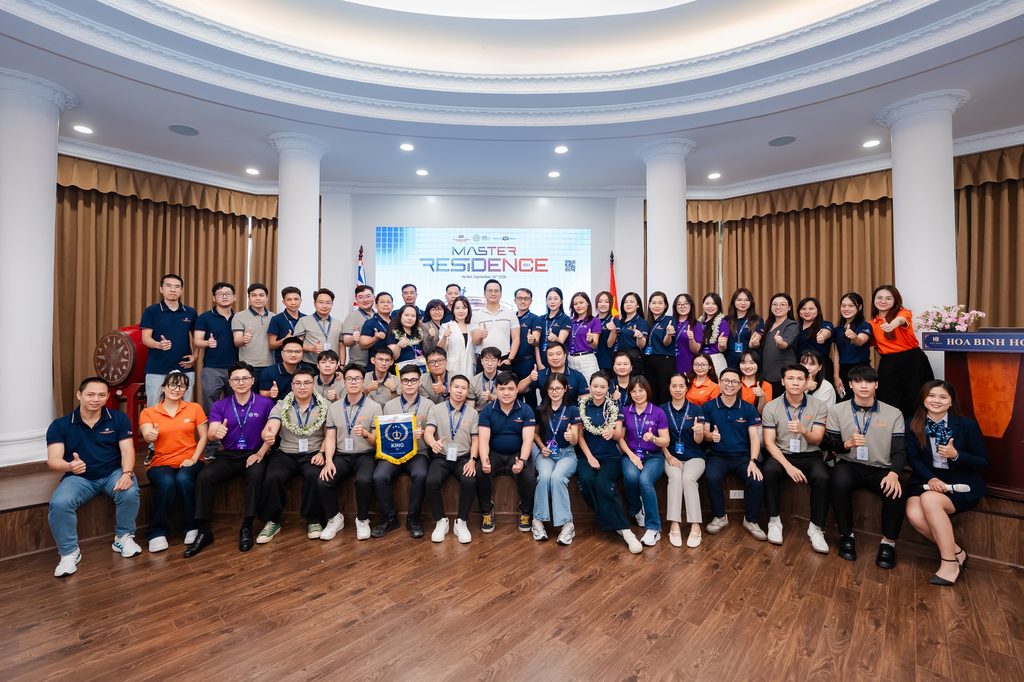
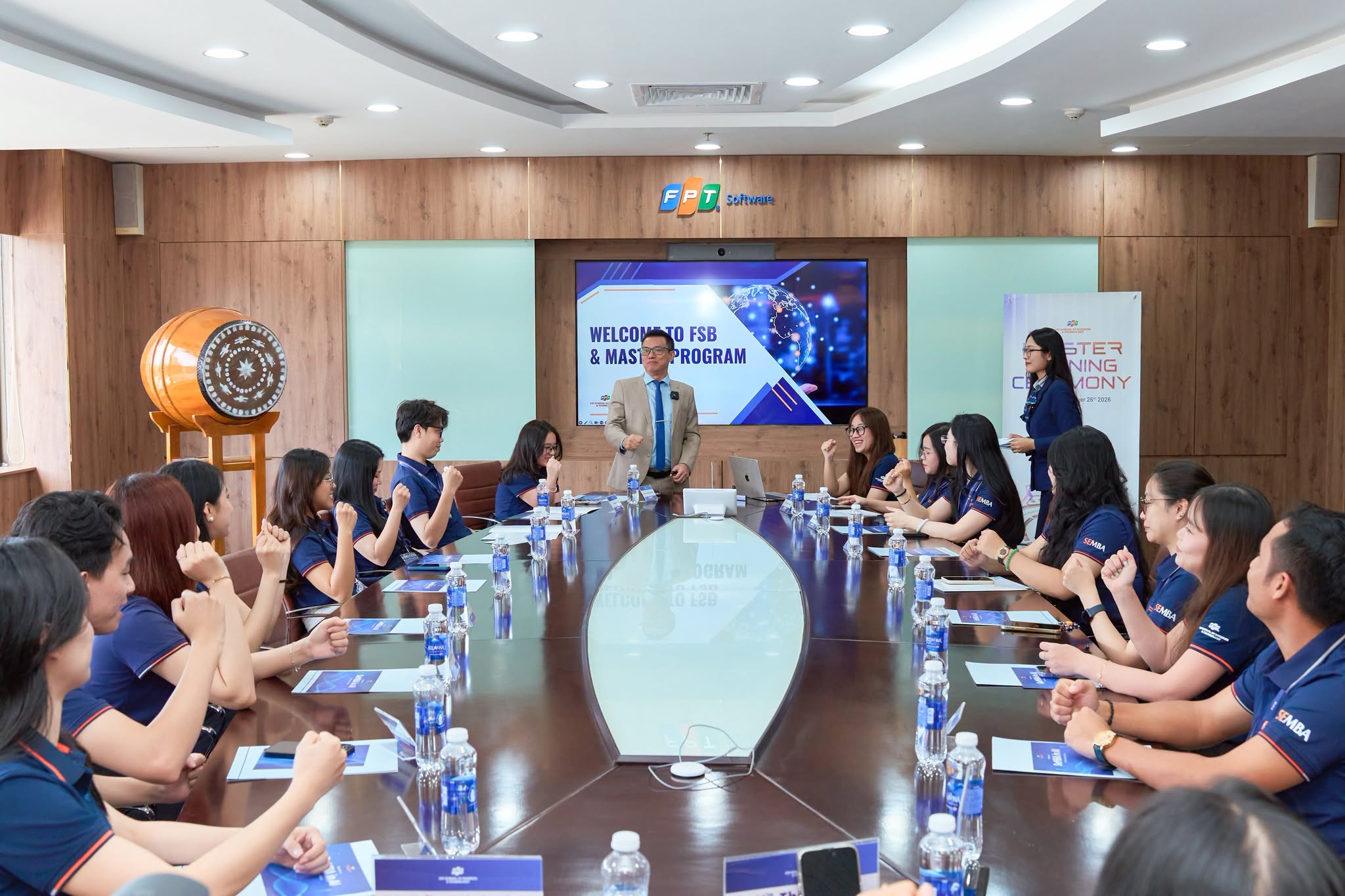
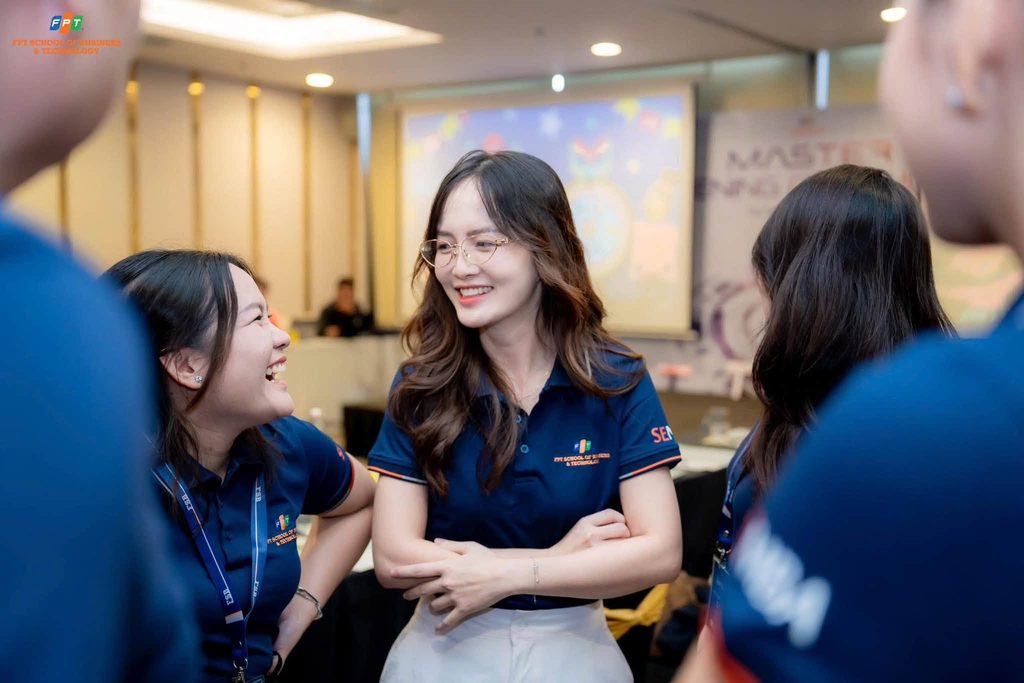
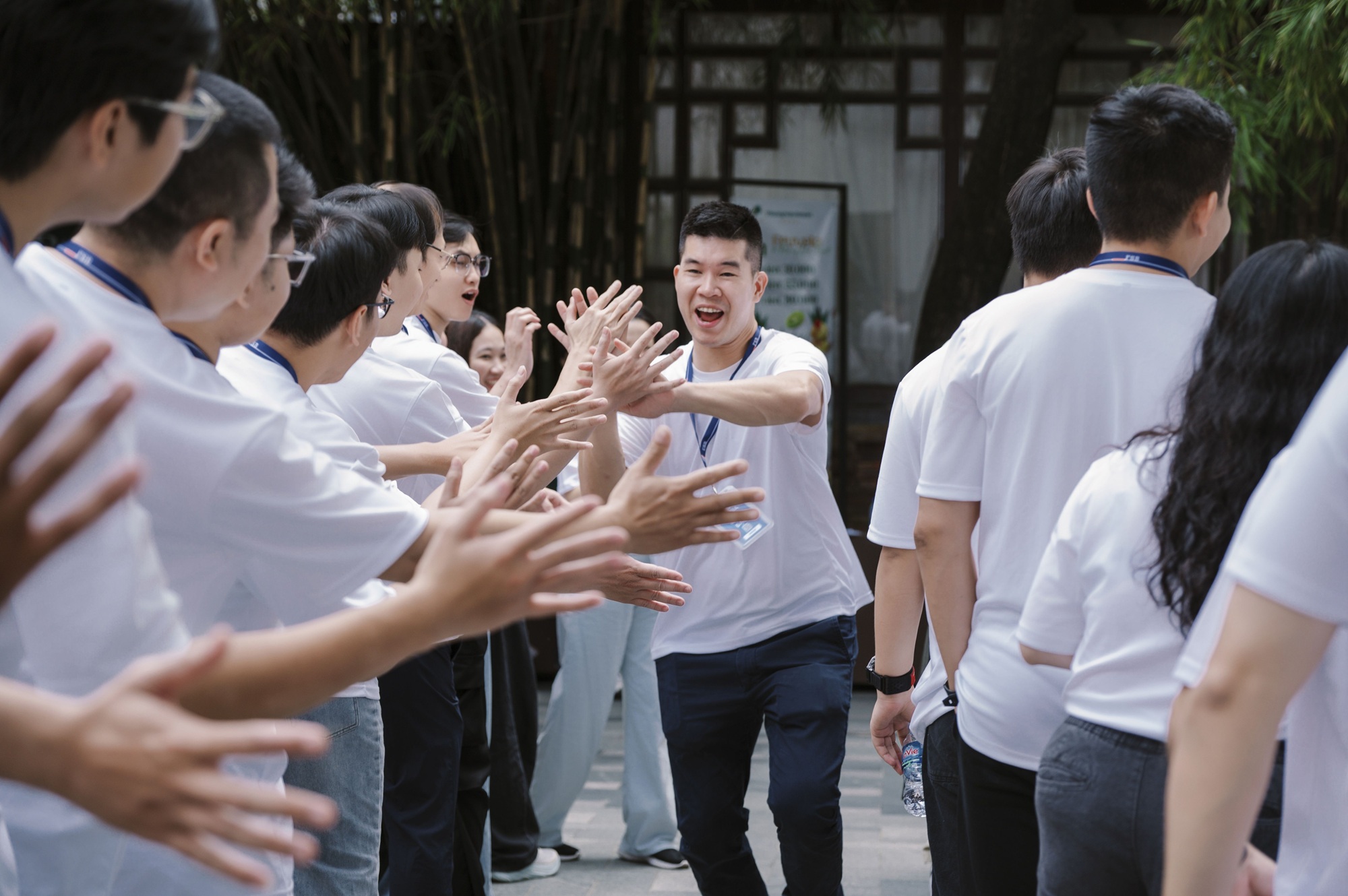
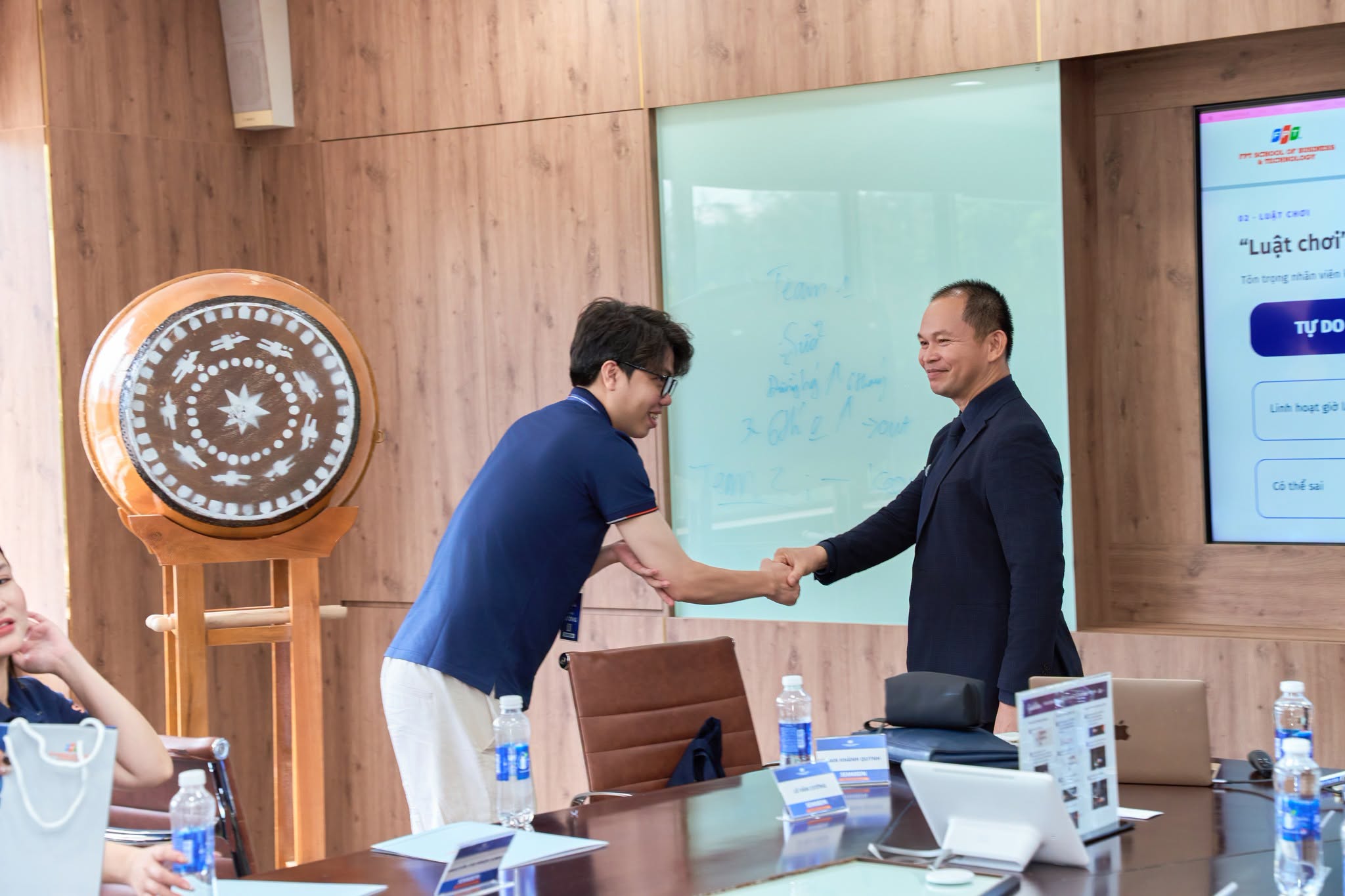
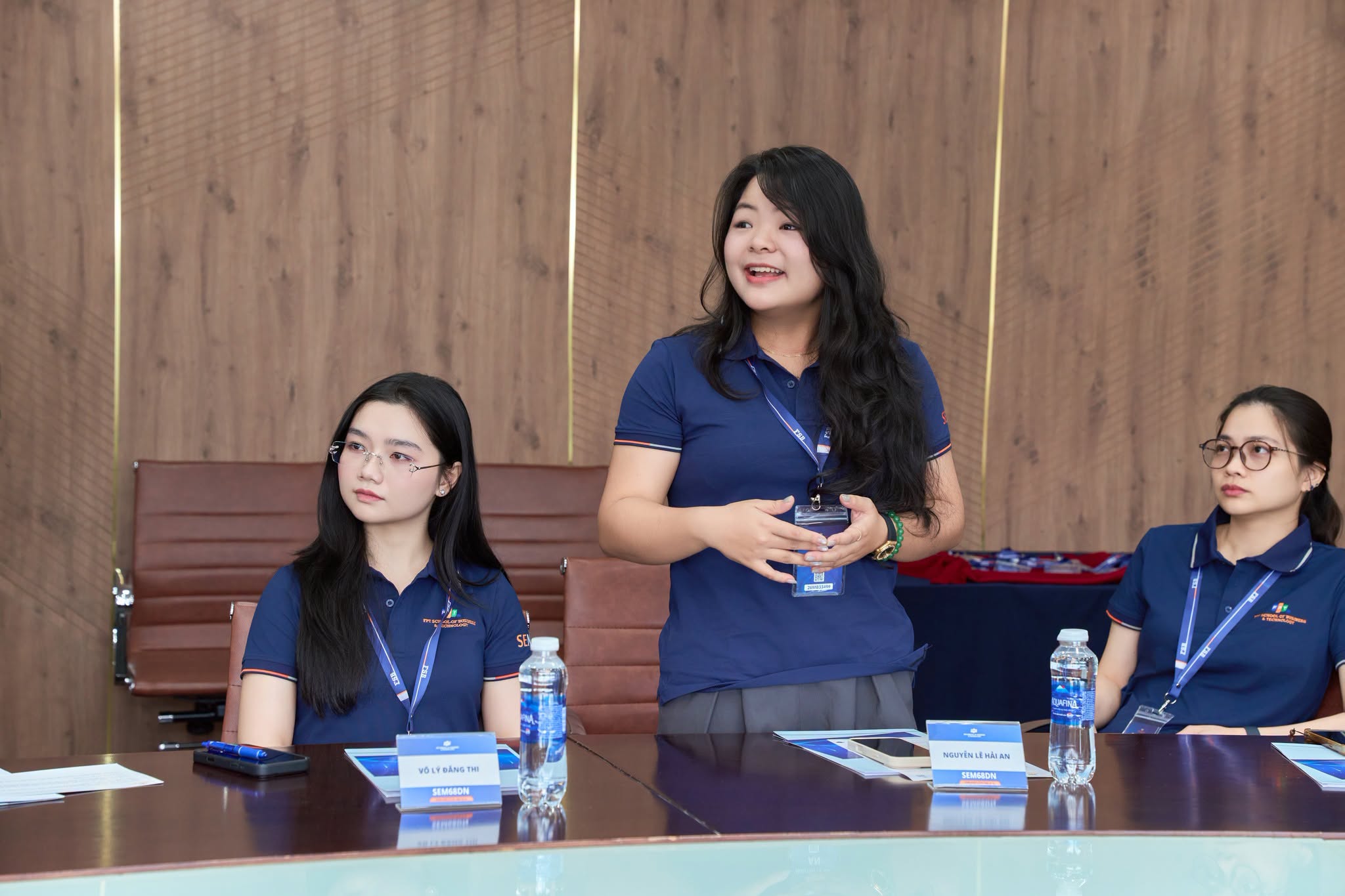
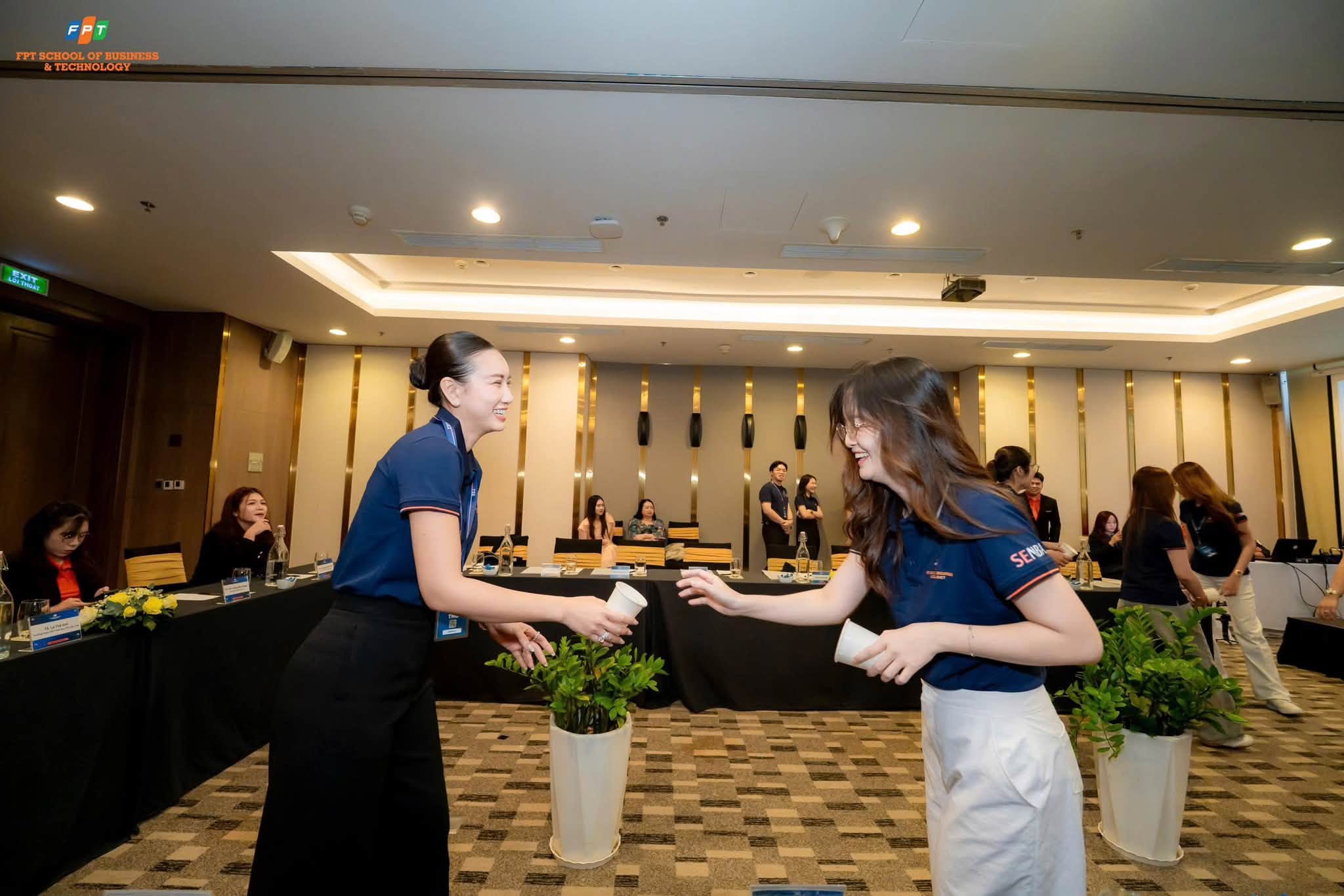
Business leaders come together to embrace challenges, share laughter, and build their first connections within the FSB community.
Returning to the classroom to go further
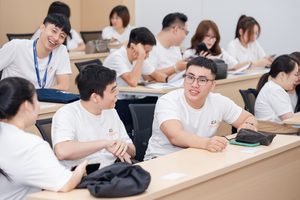
One of the defining characteristics of FSB’s postgraduate community is the diversity of professional backgrounds and experiences. Each learner enters the program from a different starting point, bringing their own career stories, management challenges, and aspirations.
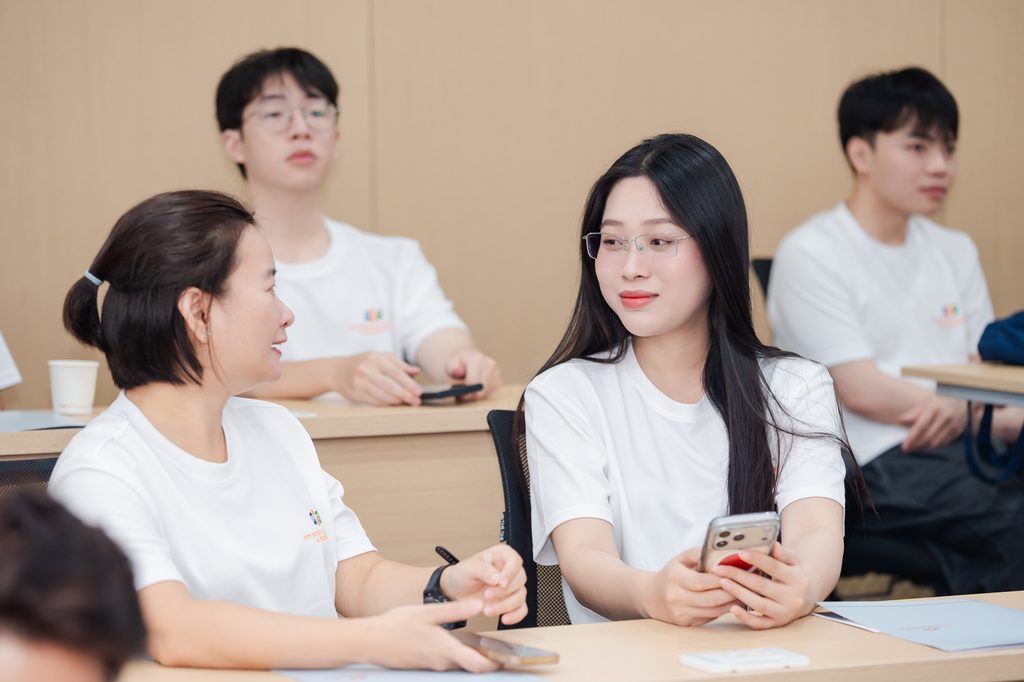
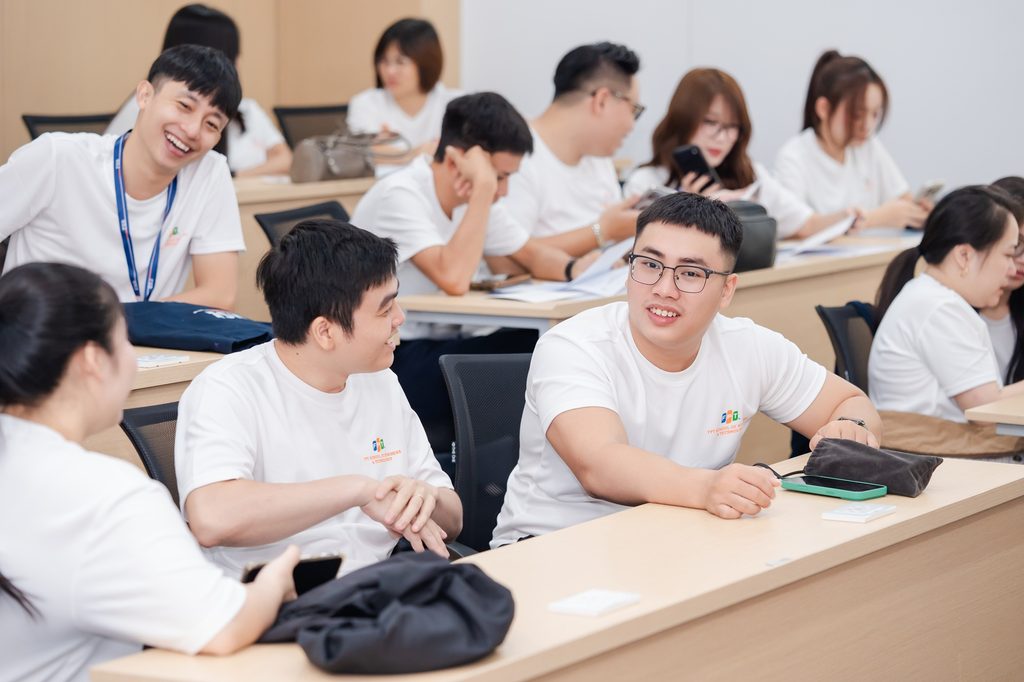
Yet, once they share the same classroom, differences in positions and industries gradually give way to conversations about how organizations can operate more effectively, how leaders can lead with greater impact, and how individuals can adapt more quickly to changes in technology and the market.
This is also the value that Master Residence Week seeks to create: a meeting point where knowledge, experience, connections, and practical application come together.
Learning from faculty. Learning from experience. And learning from those who share the journey.
A new academic year, a new beginning
Master Residence Week 2026 – Session 2 marks the first days of a new academic year, opening a new chapter for each learner to deepen their knowledge, broaden their perspectives, and connect practical experience with the continuous development of their capabilities.
From the FSB classroom, new knowledge will continue to find its way back into workplaces, organizations, and the management challenges leaders face every day.
Because learning is not simply about knowing more. It is about seeing deeper, thinking differently, and creating greater practical value.
We wish all FSB’s new learners and business leaders an inspiring new academic year, rich in experiences and filled with meaningful milestones.
And from here, a new academic journey officially begins…
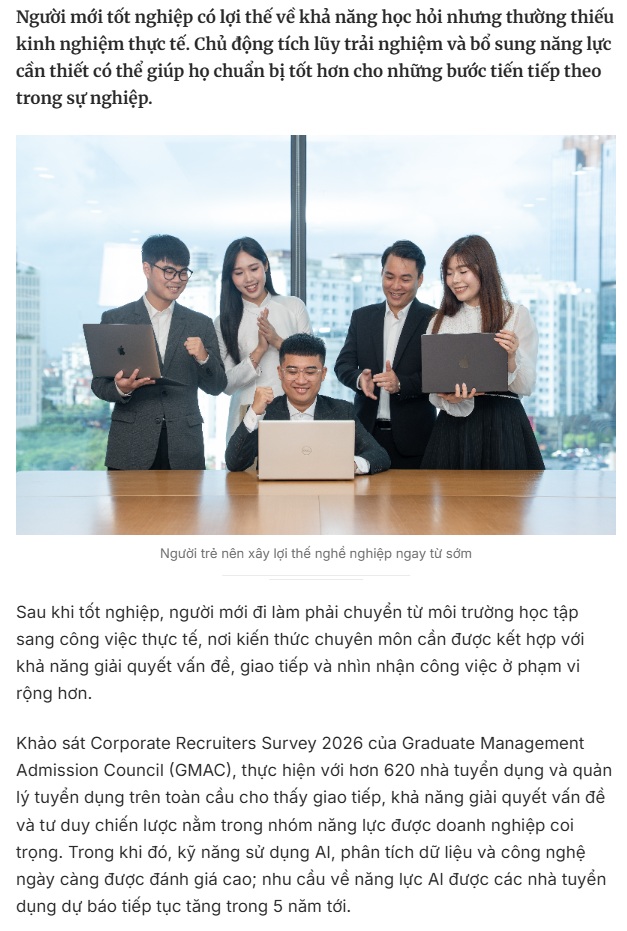
Người mới tốt nghiệp có lợi thế về khả năng học hỏi nhưng thường thiếu kinh nghiệm thực tế. Chủ động tích lũy trải nghiệm và bổ sung năng lực cần thiết có thể giúp họ chuẩn bị tốt hơn cho những bước tiến tiếp theo trong sự nghiệp.
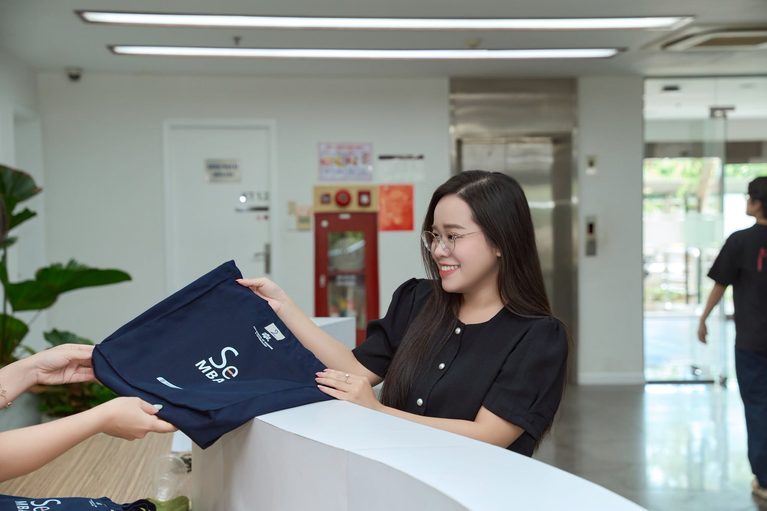
Tháng 9 về, mùa tựu trường cũng là mùa của những khởi đầu mới của các nhà quản trị tại Viện Quản trị & Công nghệ FSB. Không chỉ trở lại với học tập, các tân học viên còn mang theo những trải nghiệm nghề nghiệp, những bài toán thực tế và kỳ vọng cho một bước tiến mới trong hành trình phát triển.
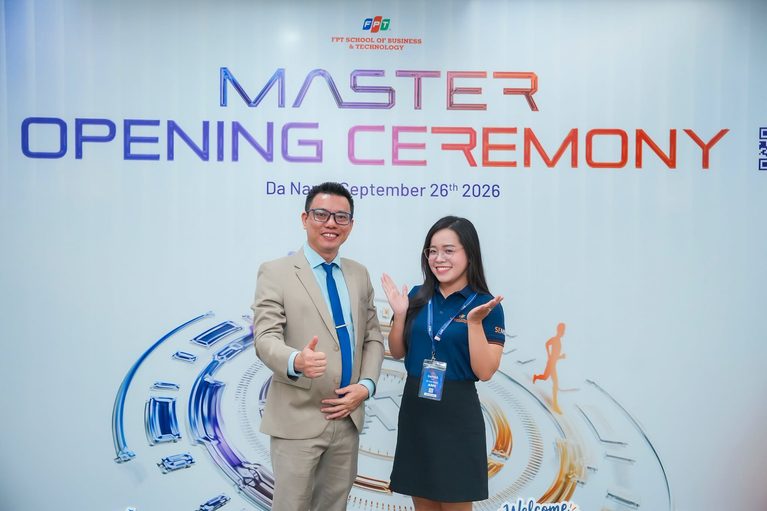
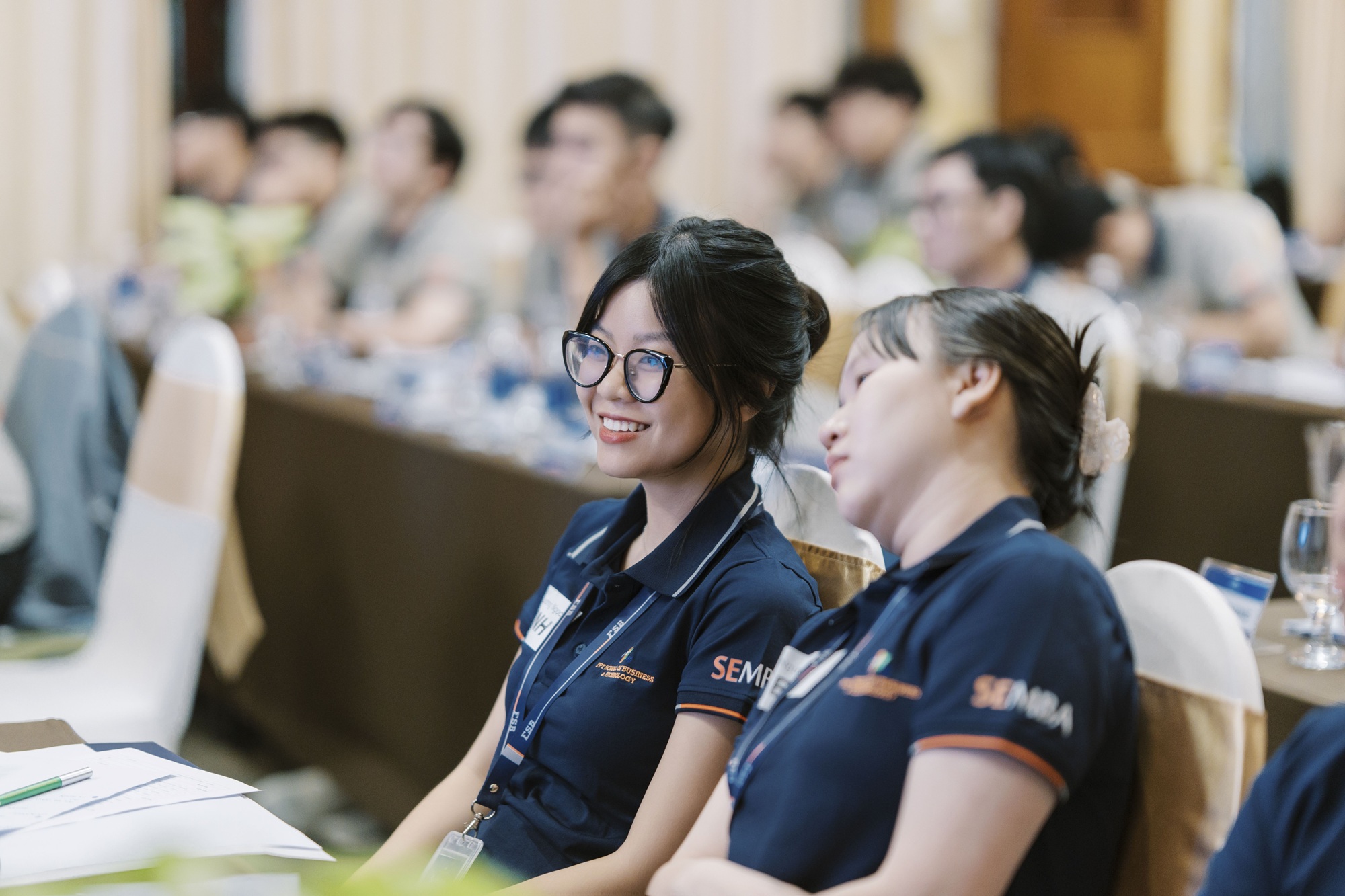
Khoảnh khắc tập thể lưu giữ những ngày đầu tiên của một năm học nhiều kỳ vọng.
Từ đây, một năm học mới chính thức bắt đầu với Cộng đồng Tân học viên của ba chương trình: Thạc sĩ Quản trị Kinh doanh định hướng ứng dụng AI (SEMBA), Thạc sĩ Kỹ thuật Phần mềm (MSE) và Thạc sĩ Quản trị Kinh doanh liên kết quốc tế cùng Leeds Beckett University (LBM), tại cả bốn cơ sở FSB Hà Nội, Đà Nẵng, TP. Hồ Chí Minh và Cần Thơ.
Khi mùa tựu trường mang một ý nghĩa khác
Với các học viên cao học FSB, đây là lựa chọn trở lại học tập khi đã có trải nghiệm nghề nghiệp, đã va chạm với những bài toán thực tế và hiểu rằng năng lực hôm nay cần liên tục được cập nhật để thích ứng với ngày mai.
Master Residence Week vì thế không đơn thuần là một ngày khai giảng. Đây là điểm bắt đầu để mỗi học viên nhìn lại năng lực hiện tại, xác định những điều cần bổ sung và mở ra những mục tiêu phát triển mới trong hành trình sự nghiệp.
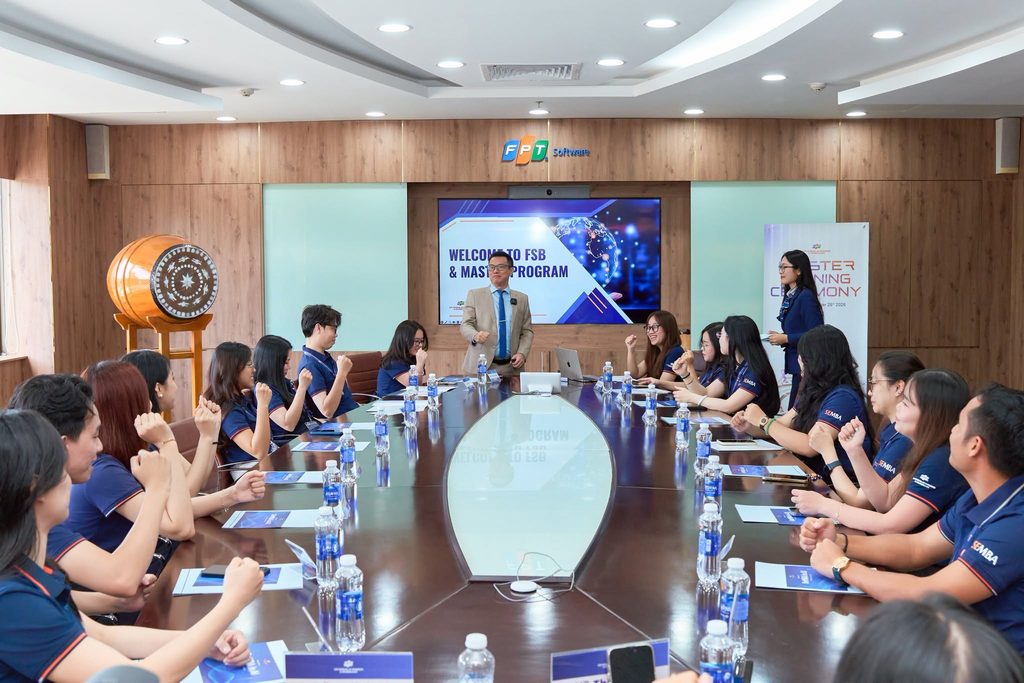
Nghi thức trang nghiêm mở đầu cho một chặng đường học tập mới tại FSB
Khởi đầu một năm học bằng tinh thần chủ động
Tại các cơ sở FSB, những hoạt động khai giảng, định hướng và kết nối đã tạo nên không khí đặc biệt của một mùa tựu trường dành cho người trưởng thành.
Những lời chào mừng từ Ban lãnh đạo, giảng viên và đội ngũ FSB không chỉ mang ý nghĩa khởi động năm học mới, mà còn truyền tải một tinh thần xuyên suốt: học tập trong thời đại AI không dừng lại ở việc tiếp nhận kiến thức, mà cần chủ động đặt câu hỏi, thử nghiệm, ứng dụng và chuyển hóa tri thức thành năng lực giải quyết vấn đề.
Từ những sự kiện đầu tiên đến các hoạt động giao lưu, workshop và kết nối cộng đồng, học viên có cơ hội gặp gỡ những người cùng chia sẻ tinh thần học hỏi, cùng trao đổi những bài toán đang đặt ra trong công việc và doanh nghiệp.
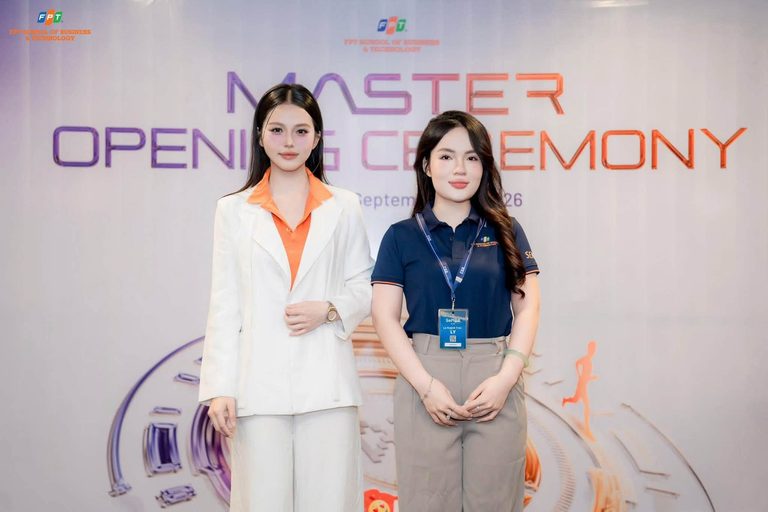
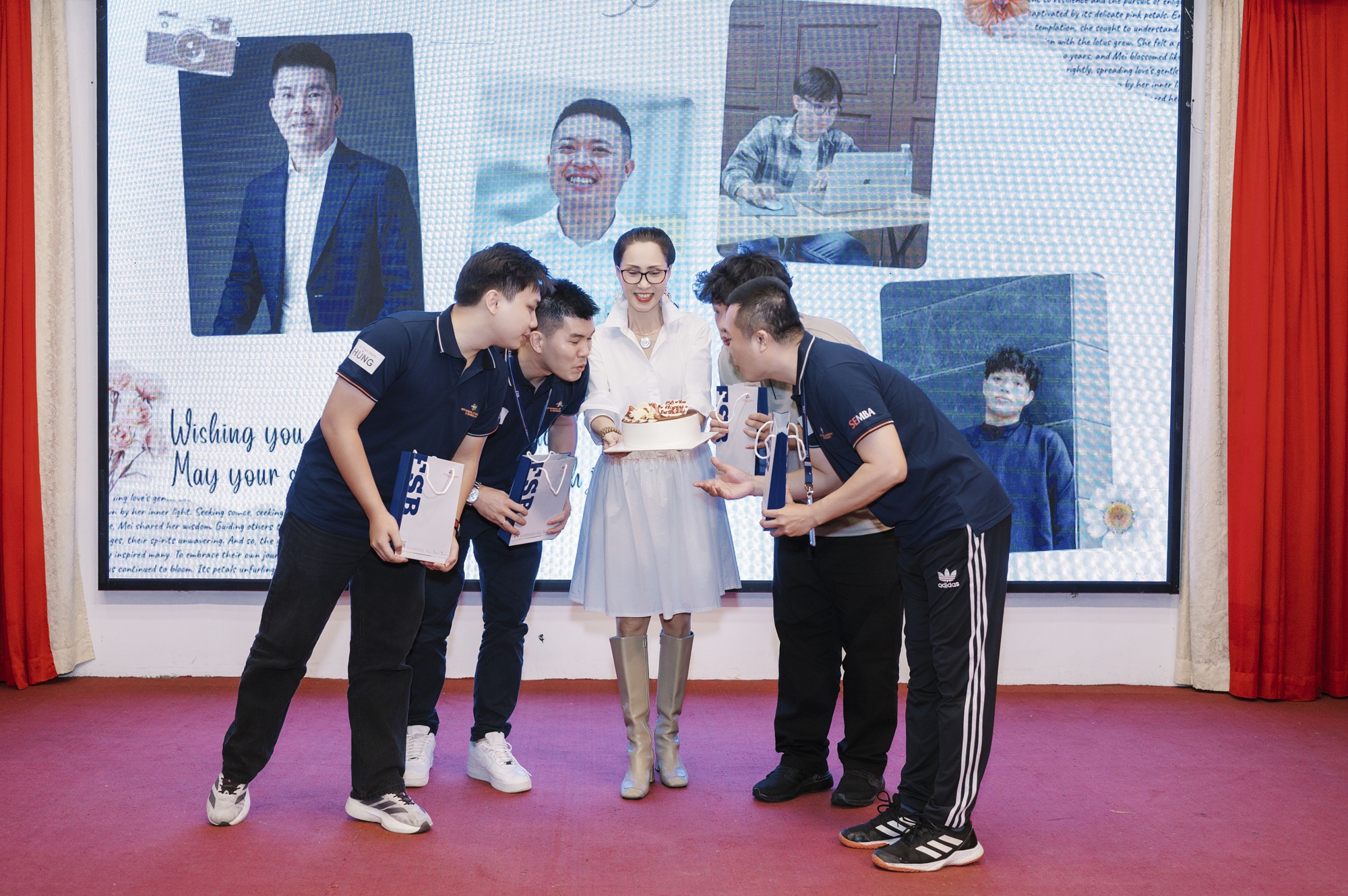
Các nhà quản trị cùng nhau vượt qua thử thách, cùng tạo nên những tiếng cười và những kết nối đầu tiên.
Trở lại giảng đường để đi xa hơn
Một điểm đặc biệt của cộng đồng học viên cao học FSB là sự đa dạng về kinh nghiệm và lĩnh vực. Mỗi người đến với chương trình từ một điểm xuất phát khác nhau, mang theo những câu chuyện nghề nghiệp, những bài toán quản trị và những mục tiêu riêng.
Nhưng khi cùng ngồi trong một giảng đường, khoảng cách về vị trí hay lĩnh vực dần được thay thế bằng những cuộc trao đổi về cách một tổ chức có thể vận hành tốt hơn, một nhà quản trị có thể lãnh đạo hiệu quả hơn và một cá nhân có thể thích ứng nhanh hơn trước những thay đổi của công nghệ và thị trường.
Đó cũng là giá trị mà Master Residence Week hướng tới: tạo nên điểm gặp gỡ giữa tri thức – trải nghiệm – kết nối và khả năng ứng dụng.
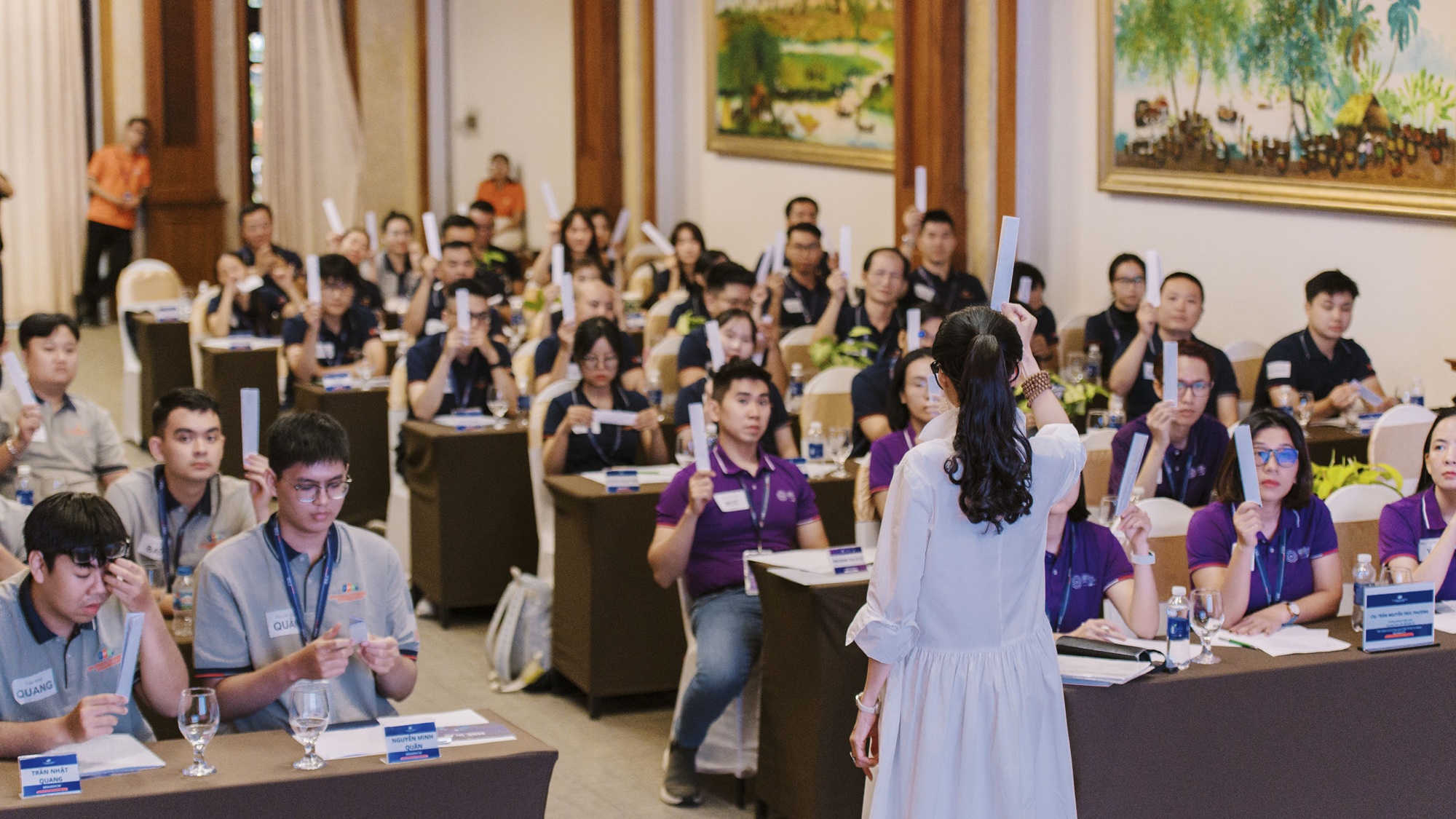
Học từ giảng viên, học từ trải nghiệm và học từ chính những người đồng hành.
Một mùa tựu trường, một khởi đầu mới
Master Residence Week 2026 – Đợt 2 khép lại ngày đầu tiên của năm học mới, mở ra một chặng đường để mỗi tân học viên tiếp tục làm giàu tri thức, mở rộng góc nhìn và kết nối những trải nghiệm thực tiễn với hành trình nâng cao năng lực của chính mình.
Từ giảng đường FSB, những kiến thức mới sẽ tiếp tục được mang trở lại công việc, doanh nghiệp và những bài toán quản trị đang đặt ra mỗi ngày. Bởi học tập không chỉ để biết thêm, mà còn để nhìn sâu hơn, nghĩ khác đi và tạo ra những giá trị thiết thực hơn.
Chúc các nhà quản trị – tân học viên FSB một mùa tựu trường nhiều cảm hứng, một năm học nhiều trải nghiệm và một hành trình mới thật nhiều dấu ấn.
The explosion of AI and Big Data is directly changing corporate business decisions. So, what core competencies do managers need to prepare to break through? Let’s listen to insights from Professor Andrey Mikhailitchenko and Professor Qiong Hu from the University of Colorado Denver (USA) on the problem of shaping a digital management mindset and the optimal US-standard MBA model in Vietnam.
Mastering AI in Management: Not Learning a Tool, but Changing How Decisions Are Made
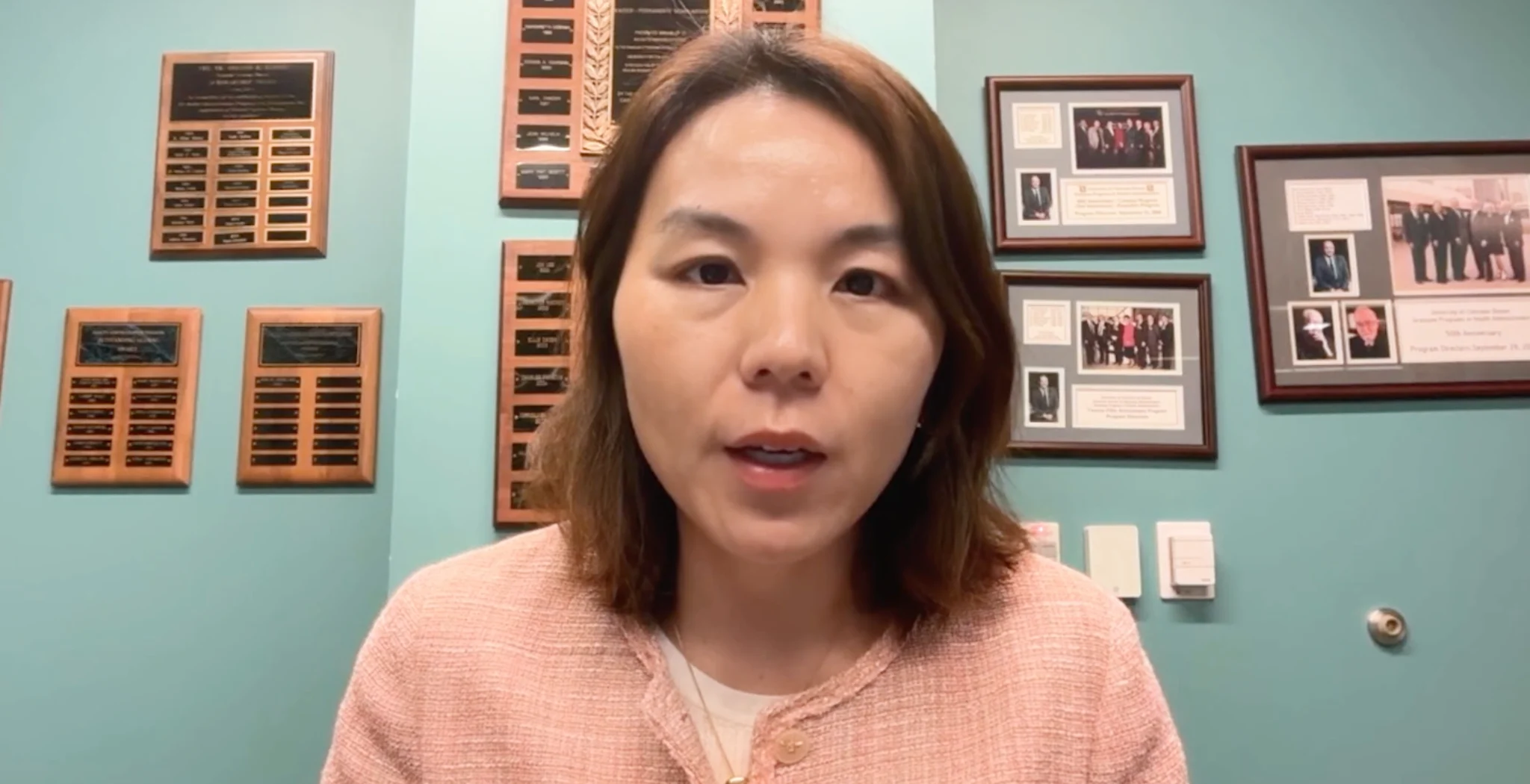
Professor Qiong Hu – Director of the CU Denver MBA Program in Vietnam.
Professor Qiong Hu, the era of AI and Big Data is completely changing how businesses operate. How has the CU Denver MBA curriculum been designed to help managers catch this wave?
Professor Qiong Hu: We realized that AI is not just a passing trend, but is becoming a core part of the actual operation of businesses. Therefore, instead of just adding a standalone course on AI, we have restructured the entire training program. AI is now woven throughout the MBA program, from strategy and marketing to operations wherever there is practical application.
According to you, what is the biggest difference between a manager who makes decisions based on traditional experience and a manager with a digital management mindset?
Professor Qiong Hu: The biggest difference lies in how a decision is formed right from the start. Managers who rely on experience tend to lean on instinct, such as what has worked in the past or personal feelings accumulated over years of work. That is very valuable, but it can also become a barrier, especially in today’s fast-changing business environment. Managers with a digital management mindset approach the same problem in a completely different way. They still use their experience and judgment, but combine it with data: testing assumptions, looking for patterns, and using digital tools to see aspects that relying solely on instinct would easily miss.
In the CU Denver MBA program, very modern courses appear, such as AI & Information Systems Strategy, CRM & Big Data, or Blockchain & Emerging Tech. How are these courses combined with management foundations like leadership, strategy, marketing, and operations?
Professor Qiong Hu: Mastering technology is one of the core learning objectives that every MBA student at our school must develop, alongside other management foundations such as strategy, leadership capacity, and critical thinking. When students take courses like AI & Information Systems Strategy or CRM & Big Data, they apply what they have learned to a real business problem: gathering the right data, analysing it accurately, and using that data to back up a decision, similar to how they apply any strategic or marketing model.
“Technology can change available tools, but the ultimate goal remains the same: to make sharper, more solidly grounded business decisions based on both data and standard management thinking.”
A common challenge in MBA education is how to bridge the gap between academic knowledge and practical decision-making capability. How does CU Denver approach this problem?
Professor Qiong Hu: Our approach is to directly integrate the practical element into the courses themselves, rather than seeing it as a separate ancillary part at the end of the program. The real value does not lie in forecasting techniques, but in students handling real numbers, real seasonal fluctuations, and transforming the results of technical analysis into practical solutions to make decisions.
According to you, how will a good MBA program create change for students?
Professor Qiong Hu: A good MBA program must change a manager’s first reflex when facing a business problem. Before the MBA, many managers defaulted to relying on experience or instinct. After an MBA program, the reflex shifts entirely to asking questions: What data is available? What assumptions are being made? How to test those assumptions before committing to implementation?
The “Glocal” Model: US MBA Standards in the Business Environment in Vietnam
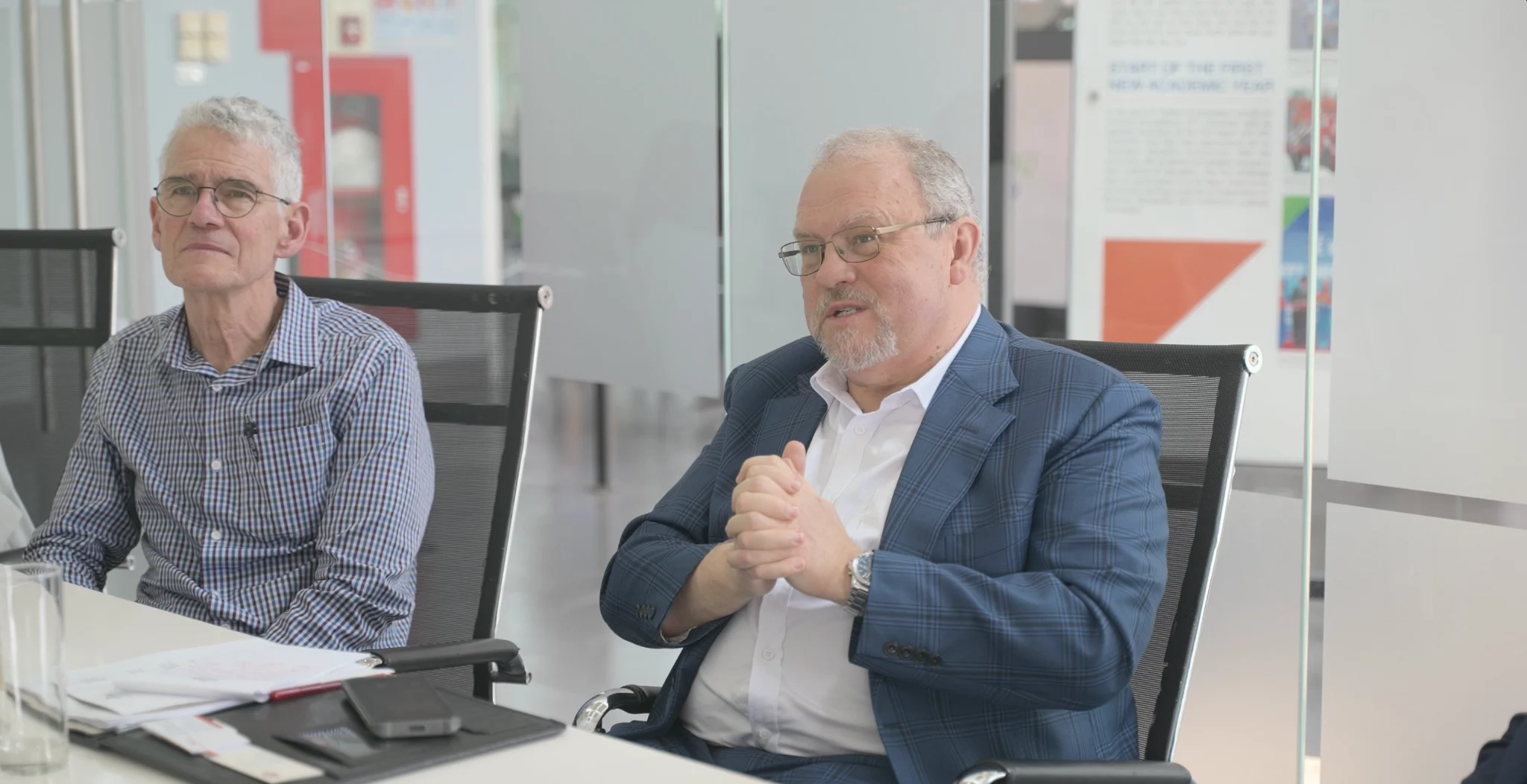
Prof. Scott Dawson – Dean of the Business School and Prof. Andrey Mikhailitchenko – Associate Dean of the Business School – University of Colorado Denver discuss program content at FPT University.
Professor Andrey Mikhailitchenko: Students taking the program in Vietnam will receive a degree awarded by the University of Colorado Denver. Is this MBA degree as valuable as the degree for students studying in the US?
Professor Mikhailitchenko: Students completing the program in Vietnam will receive a Master of Business Administration (MBA) degree awarded by the University of Colorado Denver. The program is designed to precisely meet the academic requirements and standards set by CU Denver for the school’s MBA degree. The location of study or the method of program implementation does not create any other separate academic qualification.
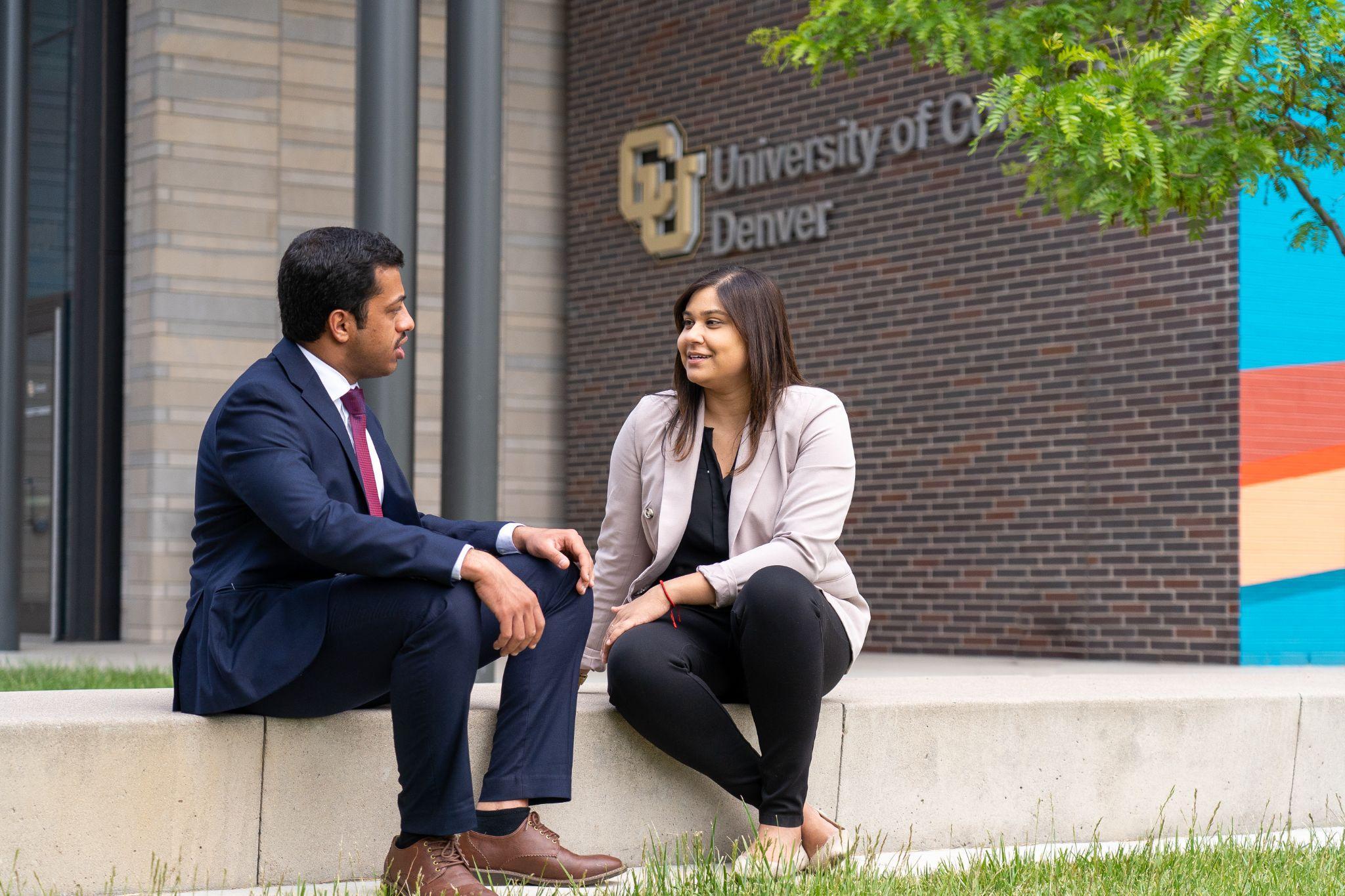
Students at the University of Colorado Denver campus, USA.
How does CU Denver ensure that the teaching quality, graduation standards, and value of degrees awarded to students in Vietnam are completely identical to AACSB accreditation standards at the Denver campus (USA)?
Professor Mikhailitchenko: Academic quality is one of the core principles. The CU Denver Business School has maintained AACSB accreditation continuously for over 30 years, and the MBA program is among the portfolio of degrees certified by this accreditation. The MBA program in Vietnam will operate entirely within CU Denver’s academic framework rather than being a standalone program with different standards.
What special synergistic value does the collaboration between a US university (CU Denver) and a technology-oriented management training institution in Vietnam (FSB – FPT University) create for students?
Professor Mikhailitchenko: The standout value is the AACSB-accredited MBA framework from the US, the direct participation and academic direction from the CU Denver faculty, an international business vision, and educational methods that closely connect business theory and practice. At the same time, the Institute of Management and Technology FSB – FPT University has a deep understanding of Vietnam’s rapidly evolving business environment, strong connections with the Vietnamese business community, and an educational ecosystem oriented toward technology and innovation.
“The distinct value of the collaborative relationship between CU Denver and FSB comes from combining complementary strengths under the ‘Glocal’ philosophy (Think globally, act locally).”